English
 Spanish
 French
 Arabic
Preformed dead ends are helically formed wire fittings designed to terminate and anchor conductors, guy strands, ADSS cables, OPGW cables, and other overhead line components. They wrap around the cable or strand and distribute mechanical force over a longer contact area, helping you achieve reliable holding performance without concentrating excessive pressure at one point.
If you build, maintain, or source hardware for overhead power and telecom networks, selecting the right preformed dead end can improve installation efficiency, cable protection, and long-term line reliability.
However, not every dead end grip fits every application. You need to match the product to the cable or strand diameter, construction, tensile requirement, material, span, and installation environment.
This guide explains how preformed dead ends work, the main types available, where you can use them, and what you should check before placing a bulk order.
What Are Preformed Dead Ends?
A preformed dead end is a helical wire fitting that anchors a cable, conductor, or guy strand at a termination or tension point.
You may also see these products described as:
- Preformed dead end grip
- Preformed guy grip
- Guy grip dead end
- Dead end grip
- Helical dead end
- Preformed tension clamp
- Guy wire grip
Although buyers often use these terms interchangeably, the actual product design depends on its application.
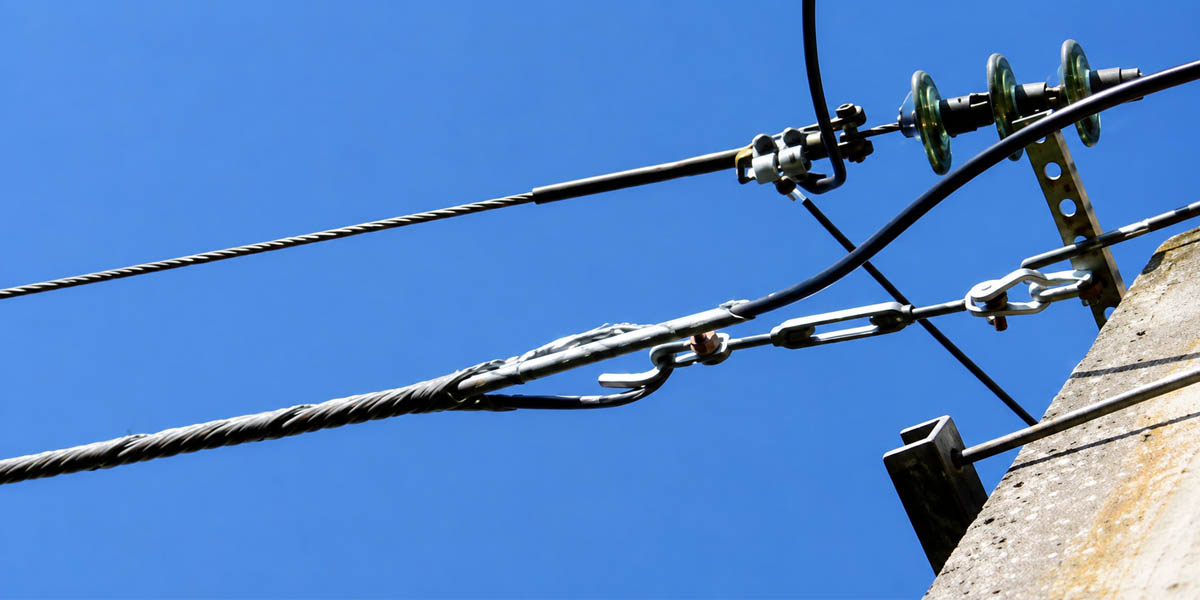
For example, a dead end for galvanized guy strand differs from an ADSS fiber optic dead end. Likewise, an OPGW tension assembly may use a different structure from a simple distribution guy grip.
Therefore, you should always select the product according to the line specification rather than the product name alone.
Quick Answer
Preformed dead ends terminate an overhead cable or strand by wrapping helically around it and transferring tensile force to a thimble, clevis, bracket, pole, or tower attachment.
This design provides a secure mechanical connection while distributing gripping force along the installed length.
How Do Preformed Dead Ends Work?
The principle is simple.
A manufacturer forms high-strength wires into a precise helical shape that matches a specified cable or strand diameter.
During installation, you wrap the helical legs around the conductor, cable, or guy wire. Because the product follows the geometry of the strand, it develops gripping force along a relatively large contact area.
As a result, the fitting can transfer longitudinal tension from the cable or strand to the supporting hardware.
Depending on the model, manufacturers may also apply abrasive grit to the internal gripping area. The grit increases friction between the grip and the strand, which helps reduce slipping.
In addition, the loop end normally connects to hardware such as:
- Thimbles
- Clevises
- Pole brackets
- Eye bolts
- Guy attachments
- Tower fittings
Therefore, the preformed dead end works as one part of a complete overhead line tension system.
What Are the Main Types of Preformed Dead Ends?
You should choose the type according to what you need to terminate.
1. Guy Wire Preformed Dead Ends
A preformed guy grip secures galvanized steel guy strand used to stabilize utility poles, telecom poles, towers, and other structures.
You normally install the grip around the guy strand and form a loop around a suitable thimble or connecting fitting.
Before ordering, confirm:
- Guy strand diameter
- Strand construction
- Rated breaking strength
- Grip length
- Material and coating
- Required color code
- Compatible thimble
Matching the grip to the exact strand diameter is especially important.
A similar-looking grip designed for another strand size may not provide the required holding performance.
2. ADSS Preformed Dead Ends
An ADSS preformed dead end anchors All-Dielectric Self-Supporting fiber optic cable at dead-end and tension points.
Unlike steel guy strand, ADSS cable contains sensitive optical fibers and polymer layers. Therefore, the dead-end system must transfer mechanical load while controlling radial pressure on the cable.
Depending on the cable, span, and tensile requirement, an ADSS tension assembly may use a single-layer or multi-component design.
You should provide your supplier with:
- ADSS cable outside diameter
- Cable structure
- Rated tensile strength
- Span length
- Maximum working tension
- Jacket material
- Installation environment
This information helps the manufacturer select the appropriate preformed tension clamp.
3. OPGW Preformed Dead Ends
OPGW combines optical communication fibers with the mechanical and electrical functions of overhead ground wire.
Therefore, OPGW termination hardware requires careful matching.
An OPGW dead-end assembly may include reinforcing rods, outer dead-end components, thimbles, clevises, and other fittings depending on the system design.
When you source an OPGW dead end grip, send the cable specification and project requirements rather than relying only on the nominal diameter.
Correct selection helps you control mechanical stress and maintain cable integrity at the tension point.
4. Conductor Preformed Dead Ends
Utilities may also use preformed dead ends to terminate certain overhead conductors.
The required material and gripping design depend on the conductor.
Therefore, you should confirm:
- Conductor material
- Outside diameter
- Strand construction
- Rated breaking strength
- Operating environment
- Required mechanical performance
In conductor applications, material compatibility becomes particularly important.
Why Do Utility Contractors Choose Preformed Dead Ends?
Preformed grips remain popular because they combine mechanical reliability with relatively simple installation.
1. They Distribute Load Over a Larger Area
Traditional point-clamping systems may concentrate mechanical pressure around a relatively small contact zone.
In contrast, a properly matched preformed dead end grip contacts the cable or strand over a longer installed length.
As a result, you can distribute the gripping force more evenly.
This becomes especially important when you work with sensitive cable structures such as ADSS or OPGW.
2. They Provide Reliable Holding Performance
The helical structure follows the strand or cable geometry.
When you apply tension, the installed grip transfers longitudinal load to the termination hardware.
For guy wire applications, manufacturers can also use friction-enhancing grit to improve grip performance.
However, holding strength always depends on correct product selection and installation.
Therefore, you should never use a grip designed for one diameter on another strand simply because it appears to fit.
3. Installation Is Relatively Simple
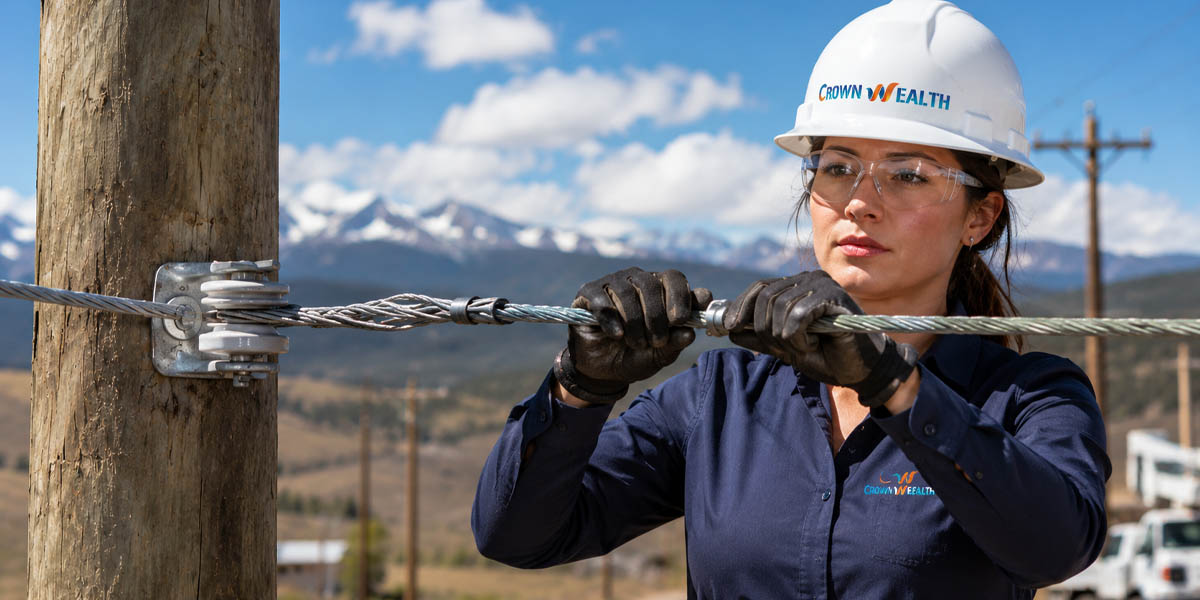
Many preformed dead ends can be installed manually without heavy compression equipment.
Consequently, field crews can reduce installation complexity.
A typical installation involves positioning the loop around the termination hardware and wrapping each leg around the strand or cable according to the manufacturer’s instructions.
This design can help you:
- Simplify field installation
- Reduce tool requirements
- Improve installation consistency
- Shorten maintenance or replacement time
Nevertheless, installers should always follow the specified installation method.
4. They Can Help Protect the Cable or Strand
Because the grip distributes mechanical force along its helical contact area, it can reduce localized stress compared with an incorrectly selected point clamp.
For fiber optic applications, this is particularly important.
ADSS and OPGW cables require hardware that secures the cable without creating unnecessary stress that could affect cable performance.
Therefore, you should select a dead end specifically designed for your cable construction.
5. They Support Different Overhead Line Applications
You can find preformed dead ends for:
- Power transmission lines
- Distribution lines
- Utility poles
- Telecom networks
- ADSS fiber optic lines
- OPGW systems
- Guy wire systems
- Telecom towers
- Pole stabilization systems
This range makes preformed grips useful to utilities, telecom companies, contractors, wholesalers, and infrastructure suppliers.
Preformed Dead Ends vs. Conventional Dead-End Clamps
Different termination systems serve different applications.
| Feature | Preformed Dead Ends | Conventional Clamp-Type Dead Ends |
|---|---|---|
| Gripping method | Helical wrap | Mechanical clamping or wedge action |
| Contact area | Long distributed contact | Usually more localized |
| Installation | Often manual | Depends on clamp design |
| Special tools | Usually limited | May require tools |
| Cable matching | Highly size-specific | Depends on model |
| Common applications | Guy strand, ADSS, OPGW, conductors | ABC, telecom cable, conductors and other applications |
Neither solution is automatically better for every project.
Instead, you should choose according to the cable structure, mechanical load, installation standard, and line design.
For example, a wedge-type anchor clamp may suit one aerial cable, while a preformed tension clamp may provide the correct solution for ADSS or OPGW.
Applications of Preformed Dead Ends
Today, preformed dead ends are widely used across multiple industries.
Power Transmission Lines
Utilities use preformed dead end grips to terminate conductors safely while maintaining optimal mechanical performance.
Distribution Networks
For medium- and low-voltage systems, preformed grip solutions provide dependable cable retention and long-term reliability.
ADSS Fiber Optic Networks
ADSS cable installations frequently require preformed dead end grip products to secure cable ends while protecting sensitive fiber structures.
OPGW Systems
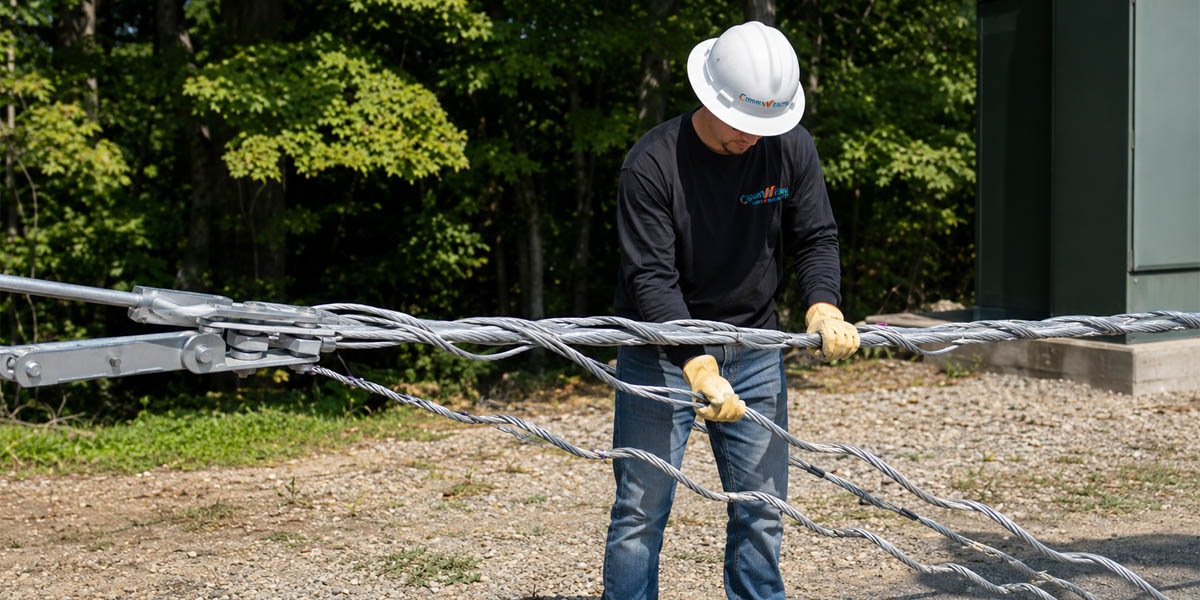
In OPGW projects, properly engineered preformed guy grip assemblies help maintain cable integrity and reduce installation stress.
Guy Wire Installations
A preformed guy grip dead end is commonly used for guy wire terminations in utility poles, telecom towers, and transmission structures.
Because of their versatility, these products have become indispensable throughout modern infrastructure projects.
How Do You Install a Preformed Dead End?
Installation varies by product, so you should always follow the manufacturer’s instructions.
However, a typical guy-wire installation follows several basic steps.
First, inspect the guy strand and confirm that the grip matches the specified diameter.
Next, position the loop around the thimble or termination fitting.
Then, align the two helical legs with the strand.
Start wrapping the first leg around the strand while maintaining the correct alignment.
After that, wrap the second leg evenly.
Finally, inspect the installed grip and confirm that both legs sit correctly without overlapping, excessive gaps, or visible deformation.
Never force a mismatched preformed grip onto a strand.
Additionally, avoid reusing a product unless the manufacturer specifically approves reuse for that design.
What Information Should You Send to a Preformed Dead End Manufacturer?
You can receive a faster and more accurate quotation when you provide complete specifications.
Send:
- Application: guy wire, ADSS, OPGW, conductor, or ground wire
- Cable or strand outside diameter
- Strand construction
- Rated breaking strength
- Required holding or tensile performance
- Material requirement
- Surface/coating requirement
- Grip length if specified
- Loop dimensions
- Color code
- Quantity
- Applicable standard
- Drawing or sample
- Destination country
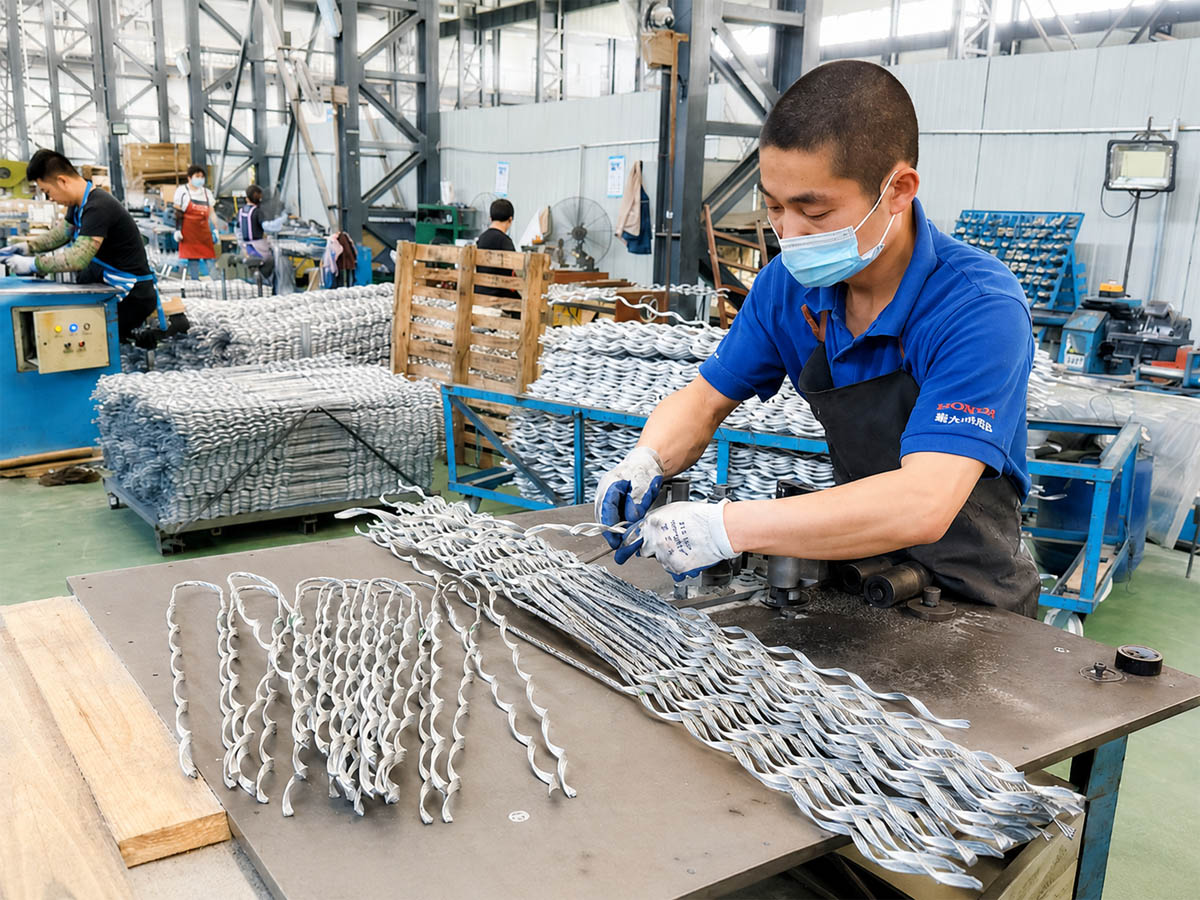
If you only send a photo, the manufacturer may not have enough information to select the correct product.
Therefore, technical data always improves quotation accuracy.
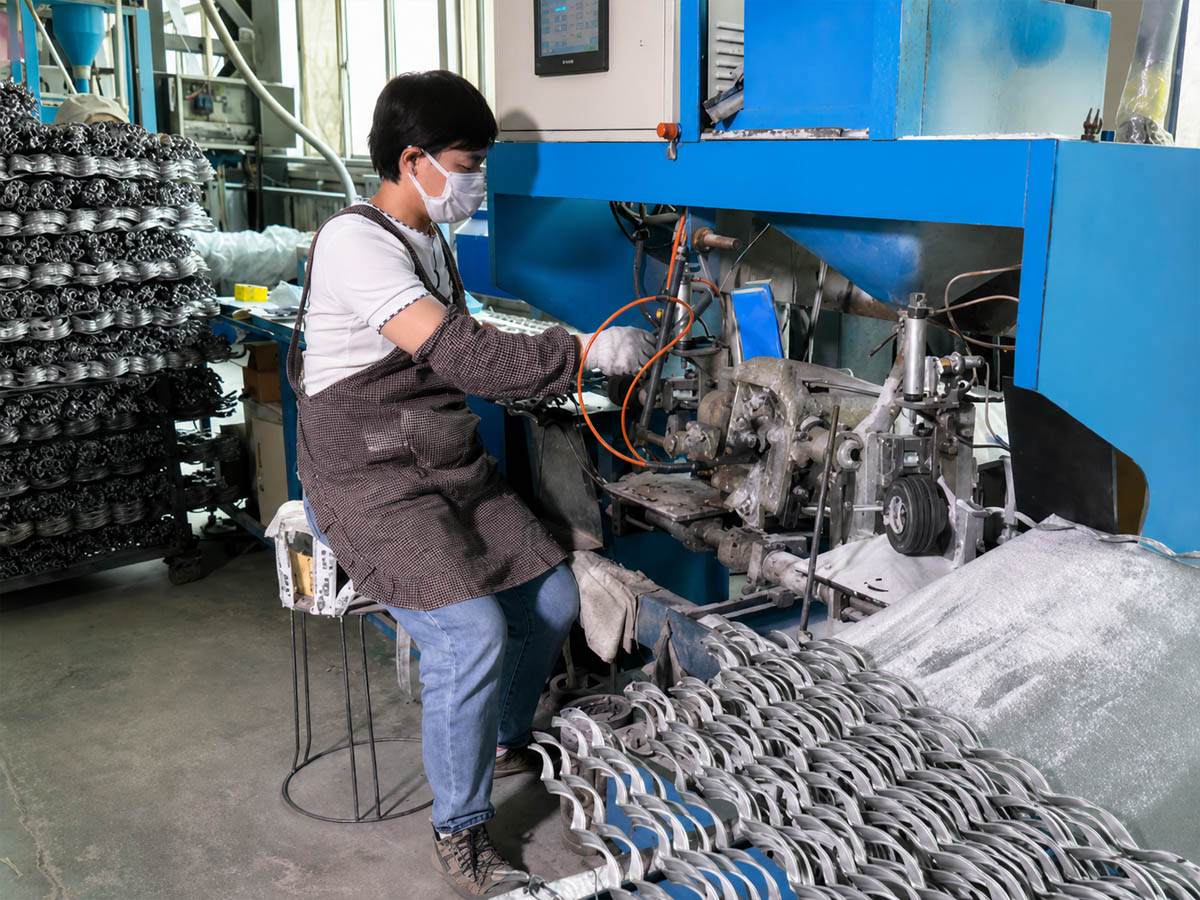
Strict Quality Control from Raw Materials to Finished Products
Many buyers focus only on product pricing. However, long-term performance depends heavily on quality control.
At Hbcrownwealth, quality inspection is integrated into every production stage.
Why Choose Hbcrownwealth as Your Preformed Dead End Supplier?
Hbcrownwealth manufactures and supplies overhead power, telecom, and pole line hardware for distributors, wholesalers, contractors, utilities, and infrastructure buyers.
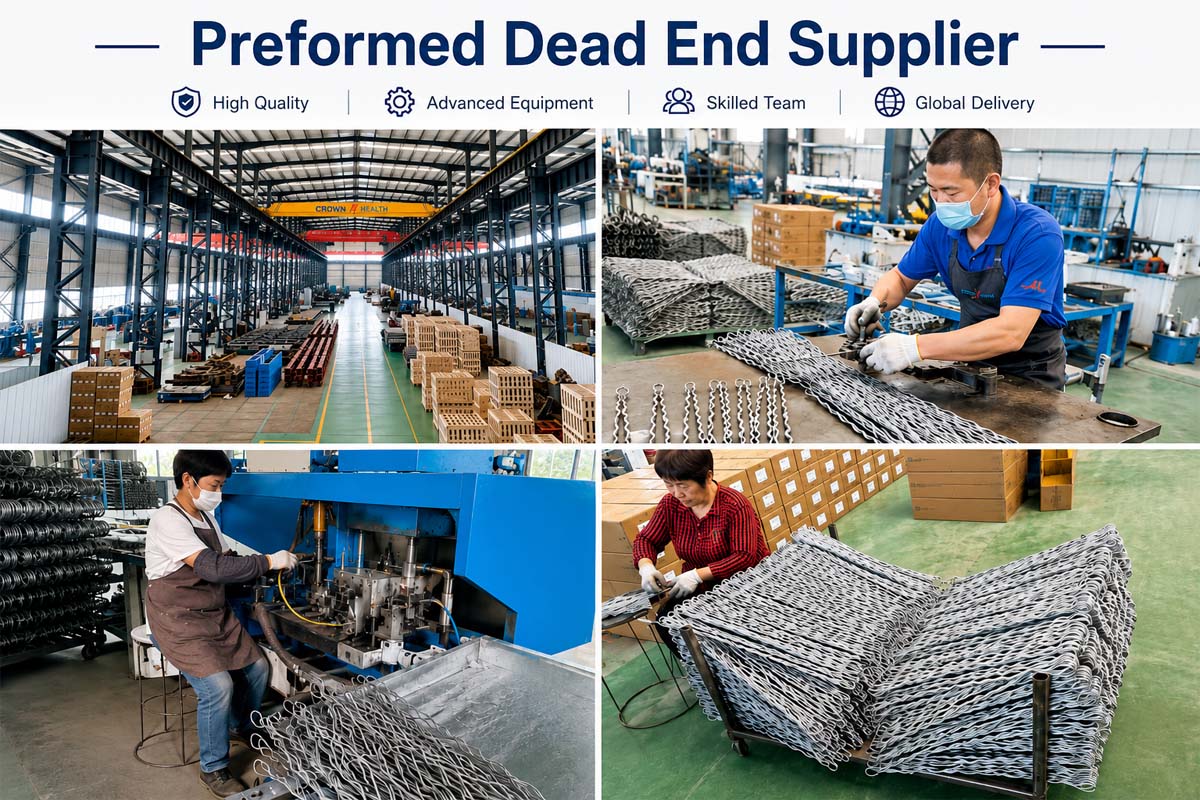
This broader product range allows you to consolidate multiple fittings in one purchasing program.
Hbcrownwealth can also support OEM and ODM requirements based on your drawing, sample, cable diameter, strand specification, tensile requirement, color code, packaging, and project quantity.
For bulk projects, you can discuss production planning, inspection requirements, samples, and customized packaging directly with the factory.
Choose the Right Preformed Dead Ends for Reliable Line Performance
Reliable overhead infrastructure depends on every connection point.
The correct preformed dead ends help you transfer mechanical load, secure cables and strands, simplify installation, and improve long-term line stability.
However, successful selection starts with accurate technical information.
Before ordering, confirm your cable or strand diameter, construction, tensile requirement, material, installation environment, and compatible connection hardware.
If you need preformed dead ends, preformed guy grips, ADSS tension clamps, OPGW dead ends, or guy wire grips, send Hbcrownwealth your drawing, cable specification, sample, or project requirements.
Contact Hbcrownwealthfor factory-direct quotations, bulk supply, samples, and OEM/ODM preformed dead end solutions.
Frequently Asked Questions About Preformed Dead Ends
Q1. What are preformed dead ends used for?
Preformed dead ends terminate and anchor guy strands, conductors, ADSS cables, OPGW cables, ground wires, and other overhead line components at tension or dead-end points.
Q2. Is a preformed dead end the same as a guy grip?
A preformed guy grip is one type of preformed dead end. Buyers often use the terms guy grip, dead end grip, preformed grip, and preformed dead end for similar helical wire fittings, although exact designs vary by application.
Q3. How do I choose the right preformed dead end size?
Start with the exact cable or strand outside diameter. Then confirm the strand construction, material, rated breaking strength, required holding performance, and connection hardware.
Q4. Can I use the same dead end grip for ADSS and guy wire?
No. ADSS cable and steel guy strand have very different structures and mechanical characteristics. You should use a grip specifically designed for the cable or strand.
Q5. What is an ADSS preformed dead end?
An ADSS preformed dead end is a tension fitting designed to anchor an ADSS fiber optic cable while distributing mechanical load along the cable surface.
Q6. What is an OPGW dead end grip?
An OPGW dead end grip forms part of the tension assembly used to terminate Optical Ground Wire at a pole or tower. Its design must match the exact OPGW cable specification.
Q7. Do preformed dead ends require special installation tools?
Many designs can be installed manually without heavy compression tools. However, installers must follow the manufacturer’s installation procedure and use the correct matching grip.
Q8. What materials are used for preformed dead ends?
Depending on the application, manufacturers may use galvanized steel, aluminum-clad steel, stainless steel, aluminum alloy, or other compatible materials.
Q9. Can Hbcrownwealth customize preformed dead ends?
Yes. You can provide your strand or cable specification, required dimensions, mechanical performance, color coding, drawing, sample, packaging, and order quantity for OEM or ODM production.
Q10. Can I order preformed dead ends in bulk?
Yes. Hbcrownwealth supplies preformed dead ends and related pole line hardware for distributors, wholesalers, contractors, utilities, and infrastructure projects.