English
 Spanish
 French
 Arabic
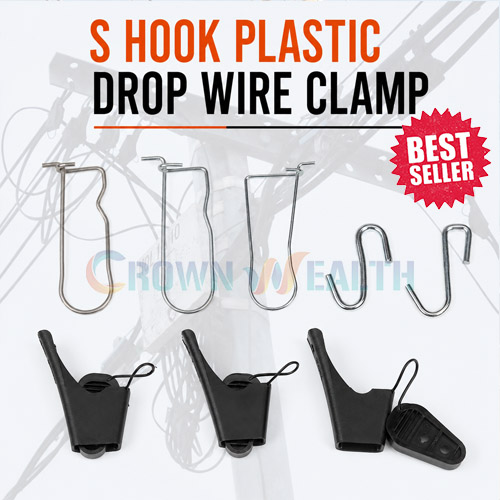
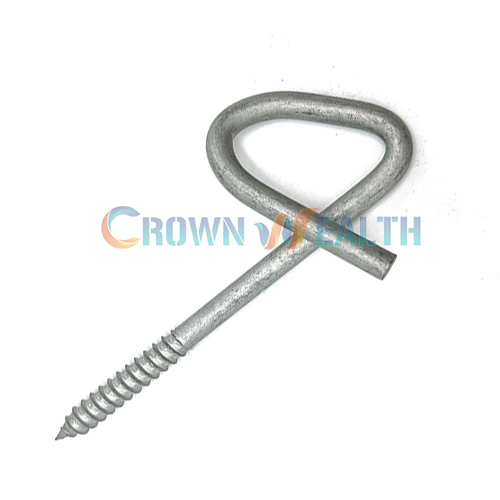
A plastic wire clamp with S hook secures a compatible fiber optic drop cable to a supporting attachment in an FTTH or aerial telecom installation. It combines a plastic cable-retaining body with a metal hook that connects the assembly to suitable mounting hardware.
For your project, the key is matching the clamp to the cable construction, installation load, and attachment point. A suitable assembly helps you organize the drop connection and reduce avoidable installation rework.
This guide explains the clamp’s components, typical applications, and the details you should confirm before ordering.
What Is a Plastic Wire Clamp with S Hook?

A plastic wire clamp with S hook is also described as an S-hook plastic drop wire clamp or an FTTH drop cable clamp.
The plastic body retains the cable according to the product’s specified routing or gripping arrangement. The metal hook connects that body to compatible support hardware.
The name “S hook” describes the attachment shape. It does not, by itself, identify the accepted cable size, gripping method, or mechanical capacity. Those details depend on the selected model.
This distinction matters when comparing products that look similar but use different body sizes or cable-retaining designs.
Main Components and Material Options
Plastic Cable-Retaining Body
The body provides the shaped contact area that holds the cable. Correct cable positioning and compatibility are important for achieving the intended retention without excessive local pressure on the jacket.
Hbcrownwealth’s S-hook product range includes standard, thickened, and large body configurations. Select the configuration using its specifications rather than assuming that a larger body is automatically suitable for a greater load.
Metal S Hook
The hook connects the clamp to the supporting fitting. Its dimensions must suit the attachment point and the intended loading direction.
Hbcrownwealth’s S-hook series includes galvanized steel and stainless steel hook options. Confirm the material supplied with your chosen model, particularly for installations exposed to coastal salt or industrial pollutants.
Model-Specific Specifications
The related CWN product table lists a nylon body and a galvanized steel hook. These details describe that product reference and should not be applied automatically to every S-hook clamp.
| Item | What to confirm |
|---|---|
| Body configuration | Standard, thickened, large, or another specified design |
| Body material | Polymer type and outdoor-use requirements |
| Hook material | Galvanized steel or the specified stainless steel grade |
| Cable compatibility | Accepted cable shape, dimensions, and construction |
| Mechanical rating | Defined holding or breaking performance and test conditions |
| Attachment interface | Hook dimensions and compatible supporting hardware |
See the S-Hook Plastic Drop Wire Clamp range for available configurations.
Where Can You Use an S-Hook Drop Wire Clamp?
FTTH Subscriber Connections
In a Fiber-to-the-Home network, the drop cable connects the distribution network to the subscriber’s premises. A compatible S-hook clamp provides a fixing arrangement at designated attachment points along that connection.
Selection should account for the cable dimensions, jacket construction, route, and required mechanical performance.
Aerial Telecom Installations
S-hook drop clamps can be considered for compatible aerial fiber drop installations on telecom routes. The hook connects to an appropriate fitting; it should not be assumed to fit every pole bracket or mounting eye.
Confirm the complete connection, including the clamp, hook, supporting fitting, and mounting structure.
Building Fiber Connections
At a building attachment point, the clamp can secure a compatible drop cable through suitable mounting hardware.
The cable route should also respect the cable manufacturer’s bending and handling requirements. Retaining the cable correctly does not eliminate the need to manage bends near entrances and other changes in direction.
Network Extensions and Replacement Work
When extending a broadband network or replacing an existing clamp, identify the original cable specification and mounting arrangement.
Matching the previous clamp’s appearance is not enough. Check the replacement model’s cable range and installation requirements before use.
Practical Benefits of the Design
The value of an S-hook clamp comes from matching a simple attachment arrangement to the correct cable.
Its main practical features include:
- Plastic cable-contact body: Provides a shaped retaining surface for the specified cable.
- Hook connection: Allows attachment to compatible mounting hardware.
- Choice of configurations: Lets you compare body and hook options for your installation.
- Compact assembly: Provides a dedicated drop-cable fixing point without treating the cable as a general bundle.
These features can support efficient installation when the model and accessories are correctly selected. Actual installation time and service performance depend on the complete assembly and site conditions.
How to Choose the Right Clamp
Start with the cable datasheet and the proposed attachment arrangement.
| Selection factor | Information you should provide | Why it matters |
|---|---|---|
| Cable shape | Flat or round | Different shapes require suitable retaining geometry |
| Cable dimensions | Width and thickness for flat cable; diameter for round cable | Establishes the required cable fit |
| Cable construction | Jacket material and strength-member arrangement | Helps assess gripping compatibility |
| Mechanical requirement | Required retention performance and project loads | Prevents selection based only on appearance |
| Route conditions | Span information and relevant environmental exposure | Supports application review |
| Attachment hardware | Drawing, dimensions, or a clear photograph | Helps confirm hook compatibility |
| Order requirements | Quantity, packaging, and documentation | Defines the quotation scope |
Flat cable dimensions should be stated as width × thickness, not as a diameter.
For example, a round cable and a flat cable with a similar overall size may behave differently inside the same clamp. Ask for confirmation of the exact cable and clamp combination.
You can compare other designs in Hbcrownwealth’s drop wire clamp category if your cable requires a different retaining arrangement.
Installation Checks Before You Begin
Follow the installation instructions for the selected model. S-hook clamps can differ in how the cable is routed and retained, so a generic wedge-insertion method should not be applied to every design.
Before installation:
- Verify compatibility. Match the clamp reference to your cable dimensions and construction.
- Inspect the components. Check the body and hook for visible damage or deformation.
- Check the attachment point. Confirm that the support fitting is suitable for the hook and project requirements.
- Review the cable path. Follow the specified routing and the cable manufacturer’s bending limits.
- Confirm the completed assembly. Check cable seating, hook engagement, and the required installation condition.
Tool requirements depend on both the clamp and the supporting hardware. A simple hook connection does not establish that the entire installation is tool-free.
Outdoor Performance and Inspection
Outdoor suitability depends on the plastic formulation, metal finish, operating conditions, and required service performance.
Hbcrownwealth’s S-hook product page identifies UV aging, salt spray, and tensile testing for the series. If your project requires supporting evidence, request reports applicable to the selected model and confirm the test method and acceptance criteria.
During routine network inspections, look for:
- Cracks or deformation in the plastic body.
- Hook corrosion or changes in shape.
- Cable movement at the retaining point.
- Visible jacket wear or damage.
- Deterioration of the supporting attachment.
Investigate the cause of any movement or damage before replacing components. Use the manufacturer’s guidance and network procedures to determine corrective action rather than applying a universal replacement interval.
Frequently Asked Questions
What is a plastic wire clamp with S hook used for?
It secures a compatible fiber optic drop cable to supporting hardware in FTTH and aerial telecom installations. The exact application depends on the clamp model and cable specification.
Can the same clamp hold flat and round drop cables?
Only when the model is specified for both. Provide width and thickness for a flat cable, or outside diameter for a round cable, and confirm compatibility before ordering.
Is the entire clamp made of plastic?
No. The design discussed here combines a plastic body with a metal hook. Hook material varies by model; the CWN specification lists galvanized steel.
Does the plastic body make it suitable for live electrical work?
No. A plastic body does not establish an electrical safety rating. Select this hardware for its specified telecom application and follow the applicable working procedures.
Can you reuse an S-hook plastic drop wire clamp?
Reuse must be confirmed for the exact model and condition. A removable design does not automatically mean that a clamp can be repeatedly reused after service.
What information is needed for a quotation?
Send the cable datasheet, dimensions, required quantity, attachment details, and operating environment. Include the model reference or a photograph if you are matching an existing installation.
Source S-Hook Drop Wire Clamps from Hbcrownwealth
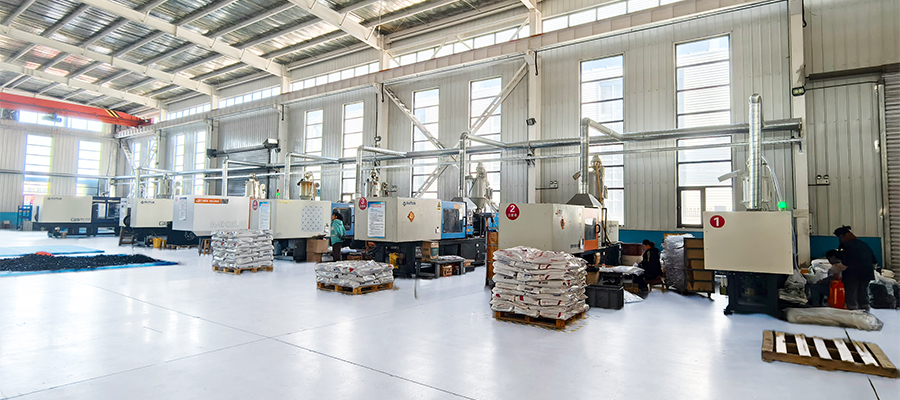
Hbcrownwealth manufactures and supplies hardware for overhead power and communication systems, including plastic drop wire clamps and related aerial cable fittings.
For contractors, distributors, and wholesale buyers, a clear cable specification helps narrow down the appropriate configuration. Provide your cable details and mounting arrangement so the body type, hook option, and order requirements can be reviewed together.
Color and packaging customization can also be discussed for the selected product and order.
Contact Hbcrownwealth to discuss your plastic wire clamp with S hook requirements and request a quotation.