English
 Spanish
 French
 Arabic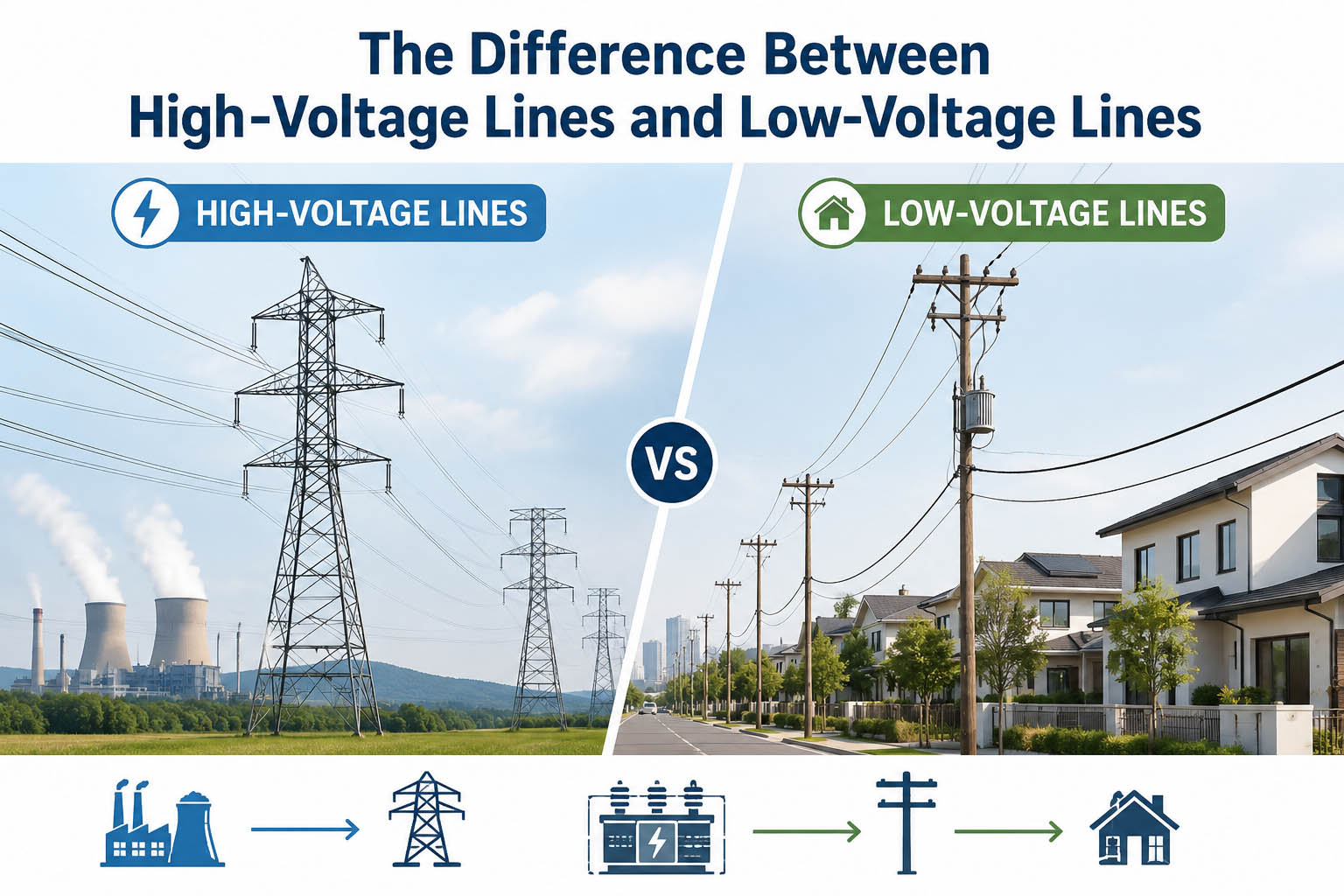
When building a power transmission network or sourcing overhead line hardware, are you often confused by the terms “high voltage” and “low voltage”? These terms don’t just represent different electrical capacities—they dictate the exact type of pole line hardware and fittings your project demands.
To help you make precise purchasing decisions and ensure your grid runs flawlessly, this guide breaks down the key differences between high-voltage (HV) and low-voltage (LV) lines, and shows you how to pair them with the ultimate hardware solutions.
What Are High-Voltage and Low-Voltage Lines?
Before diving into the technical hardware, let’s look at the roles these two systems play in the utility grid.
1. What Are High-Voltage Lines?
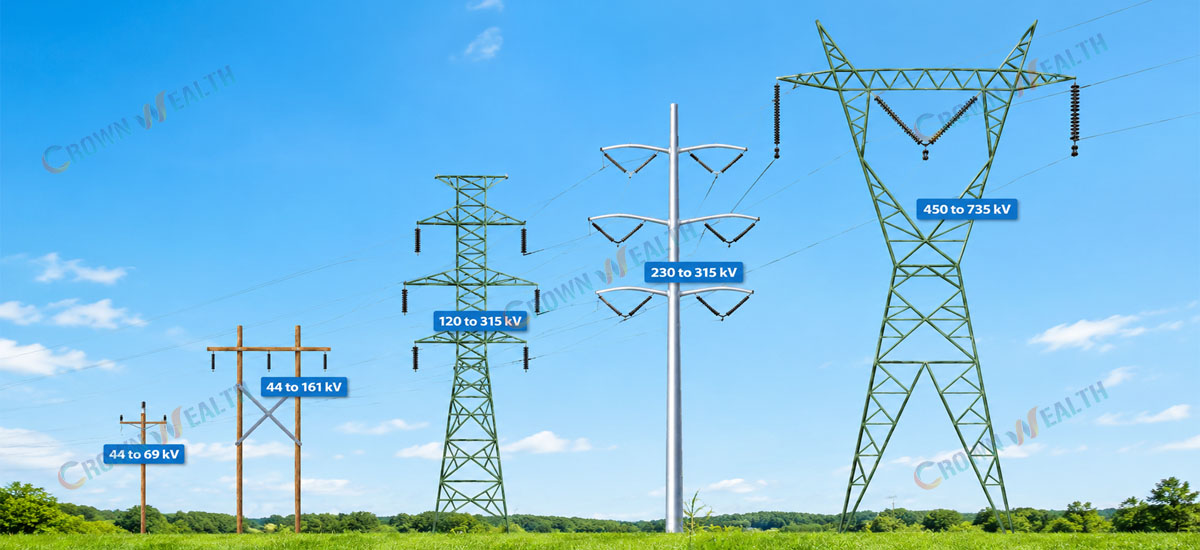
Think of high-voltage lines as the “arteries” of the power grid. Power plants generate electricity, which is then stepped up to extremely high voltages (typically 10kV to 500kV or higher) for long-distance transport. Transmitting at high voltage minimizes energy loss over hundreds of miles.
2. What Are Low-Voltage Lines?
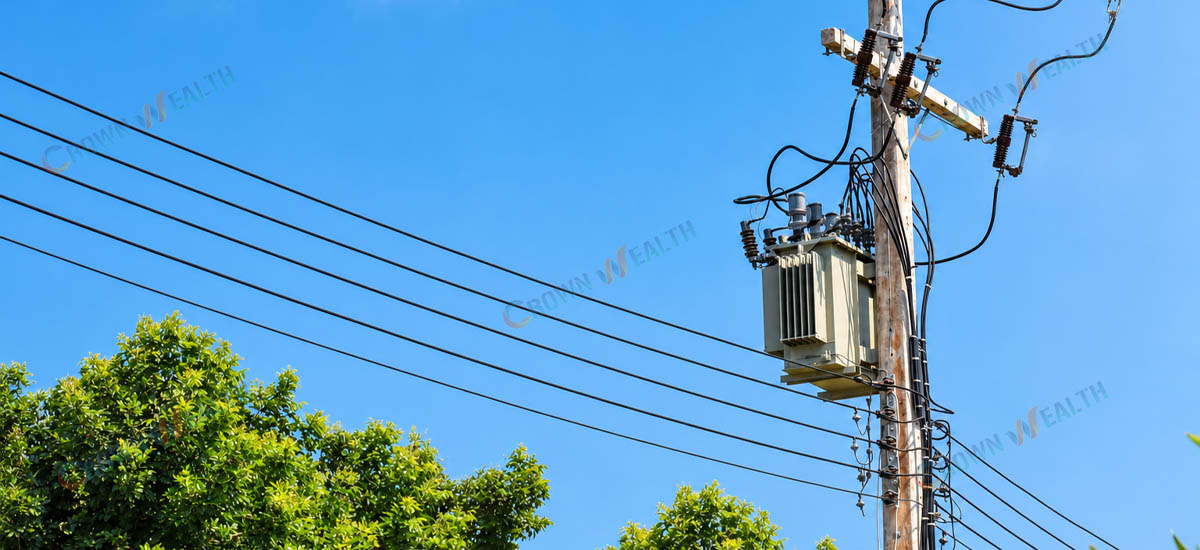
If high-voltage lines are the arteries, low-voltage lines are the “capillaries.” Once the high-voltage electricity reaches a local substation, transformers step it down to low voltage (typically under 1kV, such as standard 110V/220V/380V) to safely distribute power directly to homes, office buildings, and retail outlets.
High-Voltage vs. Low-Voltage Lines: Key Differences
| Feature | High-Voltage Lines | Low-Voltage Lines |
|---|---|---|
| Primary Purpose | Long-distance transmission | Local power distribution |
| Voltage Range | Above 35 kV | Usually below 1 kV |
| Installation Height | High transmission towers | Utility poles and buildings |
| Transmission Distance | Hundreds of kilometers | Short-distance distribution |
| Current | Lower current | Higher current |
| Power Loss | Lower | Higher over long distances |
| Maintenance Requirements | Specialized utility crews | General electrical contractors |
Advantages of High-Voltage Power Lines
High-voltage power lines are primarily used to transmit electricity over long distances from power plants to substations. Increasing the voltage significantly improves transmission efficiency and reduces operating costs.
1. Lower Power Transmission Loss
One of the biggest advantages of high-voltage transmission is reduced energy loss.
For the same amount of electrical power, increasing the voltage decreases the current. Since transmission losses are proportional to the square of the current (I²R losses), lower current means much less energy is wasted as heat.
As a result, utilities can deliver more electricity while minimizing transmission losses.
2. Long-Distance Power Transmission
High-voltage lines make it possible to transmit electricity over hundreds of kilometers without significant power loss.
This is especially important for transporting electricity from:
- Hydroelectric power stations
- Wind farms
- Solar power plants
- Nuclear power stations
- Large thermal power plants
to cities, industrial parks, and commercial areas.
3. Higher Transmission Capacity
High-voltage systems can carry significantly more electrical power than low-voltage systems.
This allows utilities to support:
- Large metropolitan areas
- Manufacturing facilities
- Industrial zones
- National power grids
using fewer transmission lines.
4. Lower Infrastructure Costs
Because high-voltage transmission requires less current, utilities can use smaller conductor cross-sections for the same power capacity.
This reduces:
- Conductor material costs
- Operating expenses
- Energy losses over time
making high-voltage transmission more economical for large-scale projects.
5. Improved Grid Efficiency
High-voltage transmission improves the overall efficiency of the electrical grid by reducing power loss and increasing system reliability.
It also allows power companies to connect renewable energy sources located far from major cities.
Advantages of Low-Voltage Power Lines
After electricity reaches a substation, transformers reduce the voltage before it is delivered to homes, businesses, and industrial facilities. This is where low-voltage distribution becomes essential.
1. Greater Safety
The most important advantage of low-voltage systems is improved safety.
Lower operating voltages reduce the risk of electrical arcing and make electrical installations easier to protect with standard insulation and safety devices.
For this reason, residential and commercial buildings receive low-voltage electricity instead of transmission-level voltages.
2. Direct Power Supply to End Users
Most electrical equipment is designed to operate on low-voltage power.
Examples include:
- Home appliances
- Lighting systems
- Office equipment
- HVAC systems
- Industrial machinery
- Commercial electrical equipment
Low-voltage distribution allows these devices to operate safely without additional voltage conversion.
3. Easier Installation and Maintenance
Compared with high-voltage systems, low-voltage distribution networks require:
- Smaller poles
- Simpler hardware
- Standard insulation
- Lower-cost electrical equipment
This makes installation, maintenance, and repairs faster and more economical.
4. Lower Equipment Costs
Low-voltage electrical components are generally more affordable than high-voltage equipment.
Common products include:
- Distribution cables
- Circuit breakers
- Service clamps
- Distribution transformers
- Cable brackets
- Pole line hardware
Lower equipment costs make low-voltage systems ideal for residential, commercial, and light industrial applications.
5. Wide Range of Applications
Low-voltage power lines are used in nearly every industry.
Typical applications include:
- Residential neighborhoods
- Office buildings
- Shopping centers
- Schools
- Hospitals
- Warehouses
- Manufacturing plants
- Agricultural facilities
Line Hardware: What Do You Need for HV vs. LV?
Different voltage levels and outdoor environments demand entirely different mechanical strengths, insulation ratings, and corrosion resistances from your hardware. Here is what you should look for depending on your project type:
1. Heavy-Duty Hardware for High-Voltage Lines
Because high-voltage lines span open, rugged terrains, they must withstand massive tension, high winds, and heavy ice loads. The hardware you select must feature exceptional tensile strength and superior weather resistance (such as high-quality hot-dip galvanizing).
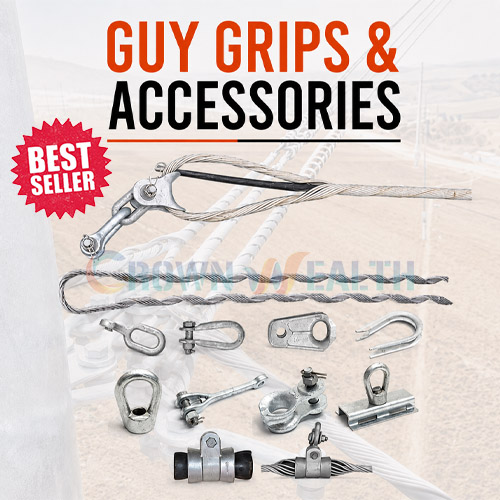
Preformed Tension Clamps / Guy Grips: Essential for securing high-voltage conductors. Preformed wire grips distribute holding power evenly, protecting the conductor from fatigue and stress-induced damage.
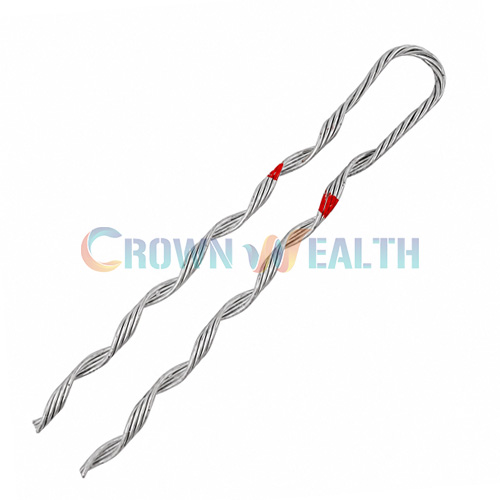
Suspension Clamps: Used to hang conductors from insulator strings on transmission towers, these must carry heavy vertical loads and endure constant wind vibration.

Vibration Dampers: Wind causes high-voltage lines to vibrate at high frequencies. Stockbridge-type dampers dissipate this energy to prevent conductor fatigue and breakage.

2. Compact, Insulated Hardware for Low-Voltage Lines
Low-voltage lines run through crowded residential and commercial zones. Therefore, LV hardware prioritizes safety, ease of installation, and space efficiency.
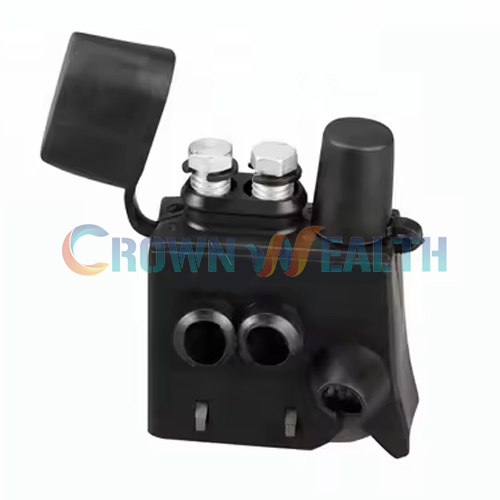
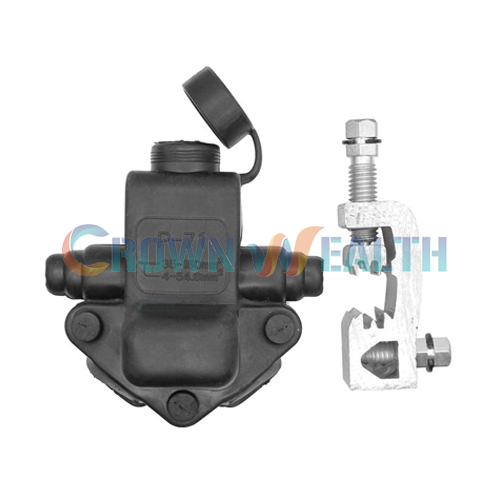
Anchoring Clamps for ABC Cables: Designed specifically for Aerial Bundled Cables (ABC). They grip and tension the insulated cable firmly without stripping or damaging the outer insulation jacket.

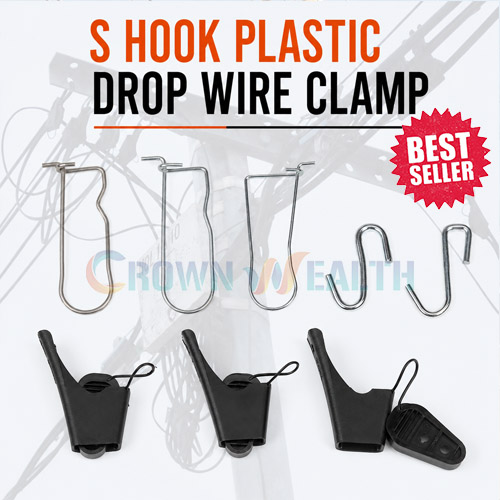
Drop Wire Clamps: Perfect for routing telephone lines, fiber optic drops, or low-voltage service wires from the utility pole to the end-user’s building. They are compact, easy to install, and UV-resistant.
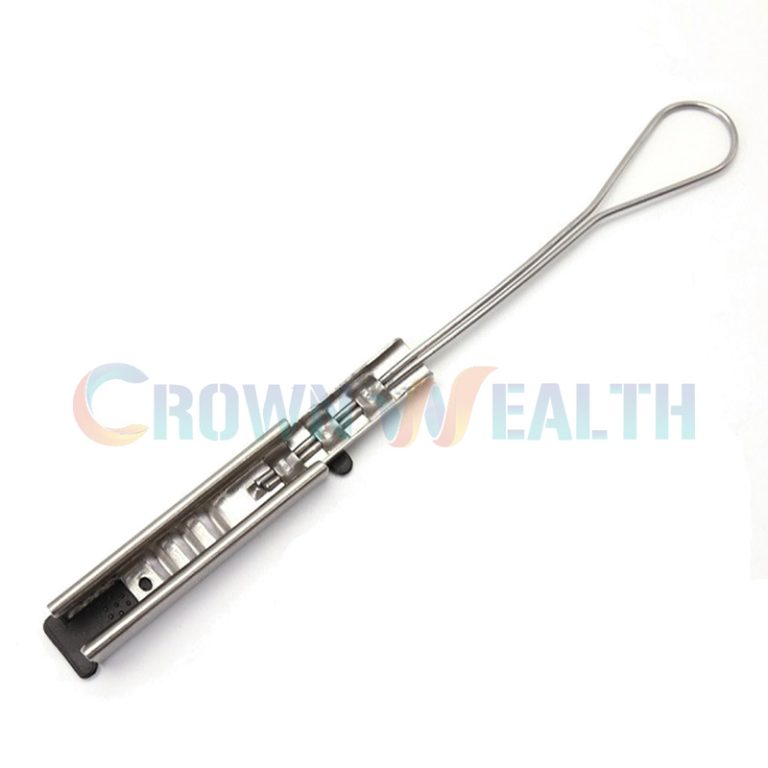
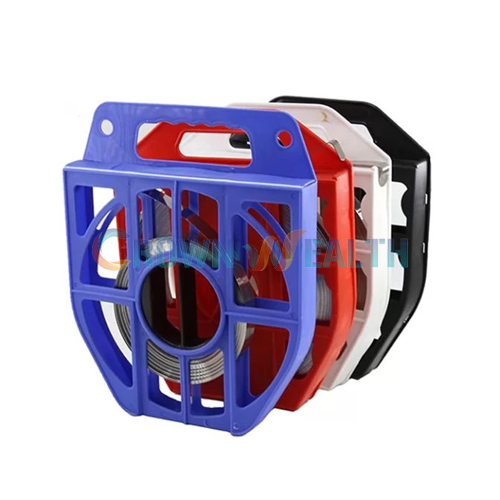
Stainless Steel Banding & Pole Clamps: Ideal for quickly strapping distribution boxes, brackets, and line clamps to concrete, steel, or wooden poles.
The Importance of Reliable Pole Line Hardware
Whether you are building high-voltage transmission lines or low-voltage distribution networks, choosing reliable pole line hardware is essential.
High-quality components help you:
- Improve installation efficiency
- Increase mechanical strength
- Reduce maintenance costs
- Extend service life
- Enhance network reliability
- Ensure safe operation in harsh environments
Products such as suspension clamps, stay rod sets, guy grips, anchor clamps, pole line bolts, cross arms, and stainless steel strapping all play critical roles in maintaining stable electrical infrastructure.
Why Choose HBCrownwealth?
HBCrownwealth is a trusted manufacturer and supplier of pole line hardware, aerial drop hardware, and electrical distribution accessories in China.
We provide reliable products for power utilities, EPC contractors, telecommunications companies, and global distributors.
Our advantages include:
- Over 14 years of manufacturing and export experience
- Advanced production equipment
- Strict quality control throughout every production stage
- Hot-dip galvanized and stainless steel products built for long-term durability
- OEM & ODM customization services
- Fast production and stable global supply
- Competitive factory-direct pricing
- Professional technical support
As a trusted partner for overseas distributors and infrastructure projects, HBCrownwealth is committed to delivering high-quality pole line hardware that meets international standards and supports the long-term performance of power transmission and distribution systems.
Conclusion
Both high-voltage power lines and low-voltage power lines are essential components of modern electrical infrastructure. High-voltage systems maximize transmission efficiency and reduce energy loss, while low-voltage systems ensure safe and reliable electricity delivery to homes, businesses, and industries.
By understanding the advantages of each system and selecting high-quality pole line hardware from a reliable manufacturer like HBCrownwealth, you can build electrical networks that are efficient, durable, and designed for long-term performance.
Frequently Asked Questions (FAQ)
1. What is the difference between high-voltage and low-voltage power lines?
The main difference is their purpose. High-voltage power lines transmit electricity over long distances with minimal energy loss, while low-voltage power lines distribute electricity safely to homes, commercial buildings, and industrial facilities. High-voltage systems improve transmission efficiency, whereas low-voltage systems provide safe and reliable power for everyday use.
2. Why is high-voltage transmission more efficient?
High-voltage transmission reduces electrical current while delivering the same amount of power. Lower current results in lower resistance losses (I²R losses), allowing electricity to travel much farther with significantly less energy wasted as heat.
3. What voltage is considered high voltage?
Voltage classifications vary by country and industry standards. Generally:
- Low Voltage (LV): Up to 1 kV
- Medium Voltage (MV): 1 kV to 35 kV
- High Voltage (HV): Above 35 kV
- Extra High Voltage (EHV): Above 220 kV
- Ultra High Voltage (UHV): Above 800 kV
4. Where are high-voltage power lines commonly used?
High-voltage lines are widely used for:
- Power transmission networks
- Utility substations
- Renewable energy projects
- Industrial power distribution
- Long-distance electrical transmission
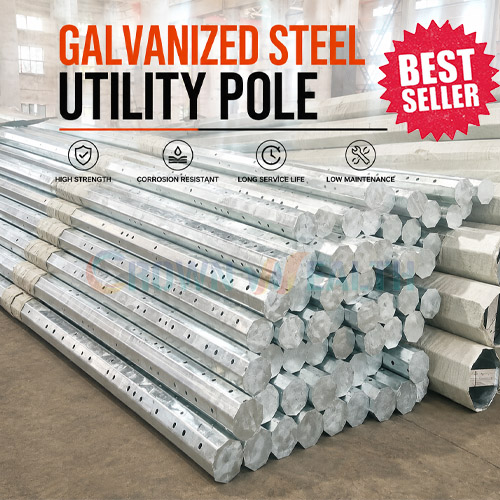
They are typically installed on steel transmission towers or high-voltage utility poles.
5. What are low-voltage power lines used for?
Low-voltage lines supply electricity directly to end users, including:
- Residential homes
- Office buildings
- Shopping centers
- Factories
- Schools
- Hospitals
- Agricultural facilities
They provide the operating voltage required by most electrical equipment and appliances.
6. Why can’t electricity be delivered directly using high voltage?
High-voltage electricity is dangerous for residential and commercial use. Before reaching consumers, electricity passes through transformers that reduce the voltage to a safe level suitable for electrical appliances and equipment.
7. What hardware is used for high-voltage and low-voltage power lines?
Common pole line hardware includes:
- Suspension Clamps
- Stay Rod Sets
- Guy Grips
- Anchor Clamps
- Pole Line Bolts
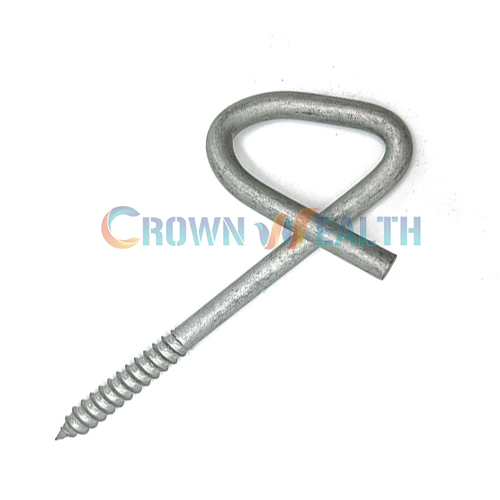
- Thimble Eye Bolts
- Pole Bands
- Cross Arms
- Insulators
- Stainless Steel Strapping
The specific hardware depends on the voltage level, conductor size, and project requirements.
8. How do I choose the right pole line hardware?
When selecting pole line hardware, consider:
- Voltage level
- Mechanical load
- Environmental conditions
- Corrosion resistance
- International standards (IEC, ASTM, BS, AS/NZS, etc.)
- Installation requirements
Choosing high-quality hardware improves safety, reliability, and service life.
9. What materials are commonly used for pole line hardware?
Most pole line hardware is manufactured from:
- Hot-dip galvanized steel
- Stainless steel
- Aluminum alloy
- Ductile iron
These materials provide excellent mechanical strength and corrosion resistance for long-term outdoor applications.
10. Why choose HBCrownwealth for pole line hardware?
HBCrownwealth is a professional manufacturer of pole line hardware and transmission line fittings with over 14 years of export experience. We offer:
- High-quality products
- Strict quality control
- OEM & ODM services
- Competitive factory pricing
- Fast delivery
- Reliable global supply
Our products are trusted by power utilities, EPC contractors, distributors, and telecommunications companies in more than 60 countries.