English
 Spanish
 French
 Arabic
When you plan a power distribution or transmission project, choosing the right pole is an important decision. You need a pole that can carry the required load, resist outdoor weather and fit your installation conditions.
For many modern projects, a polygonal steel pole offers a practical solution.
Compared with traditional wood or concrete poles, steel poles give you more flexibility in size, strength, surface treatment and installation design. In addition, you can customize them according to your project drawings.
In this guide, you will learn why polygonal steel poles are widely used in power projects, where you can use them and what you should check before placing an order.
What Is a Polygonal Steel Pole?

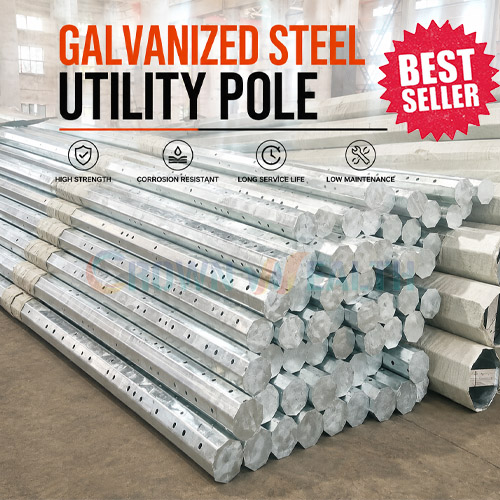
A polygonal steel pole is made from steel plate that is cut, bent and welded into a multi-sided shape.
Depending on your project, the pole can have 8, 12, 16 or more sides.
An octagonal steel pole, for example, has eight sides and is one of the most common polygonal pole designs used in power distribution projects.
Manufacturers can also produce tapered poles with different top diameters, bottom diameters, wall thicknesses and heights.
As a result, you can select the pole according to your actual project load instead of using one fixed design for every application.
Why Are Polygonal Steel Poles Used in Power Projects?
The main reason is simple: you can combine strength, durability and flexible design in one structure.
1. Strong Structure for Utility Projects
Your utility pole must carry conductors, insulators, cross arms and other pole line hardware.
Therefore, structural strength is one of the first factors you should consider.
The multi-sided structure of a polygonal steel pole gives the pole a strong and stable body. At the same time, the tapered design helps manufacturers control the pole dimensions according to the required load.
You can use this type of steel utility pole for both distribution and transmission projects.
However, you should always select the final design according to your engineering requirements, wind conditions and loading data.
2. Good Performance in Windy Areas

Wind can place a large load on poles, conductors and other overhead equipment.
For this reason, you need to consider the local wind conditions before selecting a power pole.
A properly designed steel power pole can provide good resistance to wind loads. Its tapered structure also helps maintain stability.
This makes polygonal steel poles suitable for open areas, coastal regions, industrial zones and other locations where weather conditions may be demanding.
If your project has a specific wind load requirement, you can send it to the manufacturer together with your drawing.
The manufacturer can then review the pole height, diameter, thickness and structure before production.
3. Hot-Dip Galvanizing Helps Prevent Corrosion
Outdoor poles face rain, humidity, dust and changing temperatures for many years.
Therefore, corrosion protection is very important.
A hot-dip galvanized steel pole uses a zinc coating to protect the steel surface.
This coating helps reduce direct contact between the steel and the outdoor environment. As a result, the pole can provide better corrosion resistance and require less surface maintenance during normal use.
Galvanized steel utility poles are especially useful for long-term outdoor infrastructure projects.
You should also check the required galvanizing standard and coating thickness before ordering, because different projects may have different technical requirements.
4. Flexible Pole Sizes and Designs
One major advantage of polygonal steel poles is customization.
Your project may require a 9-meter pole, while another project may need a taller or stronger structure.
Therefore, you can customize the pole according to the project drawing.
Common customized details include pole height, steel thickness, top and bottom diameter, number of sides, base plate, anchor bolt holes, mounting holes, pole sections and surface treatment.
This flexibility is very useful for EPC contractors, utility companies, distributors and infrastructure project suppliers.
5. Easier Transport for International Projects
Transportation is another important factor when you import utility poles.
Concrete poles are usually heavy and can require more lifting equipment.
Steel poles can often provide more flexible transport options.
For longer poles, manufacturers can also design the structure in several sections. These sections can use slip joints or other connection methods according to the project design.
This can help you use container space more efficiently and simplify loading, unloading and site installation.
For large international projects, better packing and transport design can also help you control logistics costs.
Polygonal Steel Pole vs Concrete Pole
You may need to choose between a steel pole and a concrete pole.
Concrete poles are widely used in many power networks and can provide good durability.
However, polygonal steel poles usually give you more flexibility in structural design.
For example, you can change the steel thickness, pole diameter, mounting position and connection design more easily.
Steel poles can also be easier to transport in some projects because manufacturers can produce them in sections.
Therefore, you should not choose only according to the material.
Instead, you should compare the project load, installation conditions, transport distance, local standards and total project cost.
Polygonal Steel Pole vs Round Steel Pole
Both round steel poles and polygonal steel poles can be used for utility projects.
The main difference is the pole shape.
A round pole has a smooth circular body, while a polygonal pole has several flat sides.
Polygonal poles are commonly made by bending steel plate and welding the longitudinal seam.
Because of this production method, manufacturers can easily adjust the pole size, taper and wall thickness.
For customized power projects, this gives you more options when you need special dimensions or mounting arrangements.
Where Can You Use Polygonal Steel Poles?
You can use polygonal steel poles in many infrastructure projects, including:
- Power distribution lines
- Power transmission lines
- Rural electrification projects
- Substations
- Telecommunication networks
- Street lighting systems
- Industrial facilities
- Renewable energy projects
- Urban infrastructure projects
Among these applications, steel utility poles are especially common when a project requires high strength, long outdoor service and customized structures.
What Should You Check Before Buying a Steel Utility Pole?
Before you request a quotation, you should prepare your technical information.
The most important information normally includes pole height, top and bottom dimensions, wall thickness, required load, wind load, pole shape, surface treatment, installation method and quantity.
If possible, you should also send the project drawing.
A detailed drawing helps the manufacturer understand your requirements more clearly and reduces unnecessary communication.
For example, a drawing can show where you need cross arms, cable holes, climbing steps, brackets or other hardware.
This is especially important for customized transmission and distribution poles.
Why Is the Octagonal Steel Pole So Common?
An octagonal steel pole is an eight-sided type of polygonal pole.
This design is widely used because it provides a good balance between structural strength, production efficiency and customization.
You can use octagonal poles for distribution lines, street lighting, communication systems and other infrastructure projects.
In addition, manufacturers can produce different heights, thicknesses and base structures according to your drawing.
If you are looking for this specific type, you can also learn more from our Octagonal Steel Pole Manufacturer product page.
How Are Polygonal Steel Poles Manufactured?
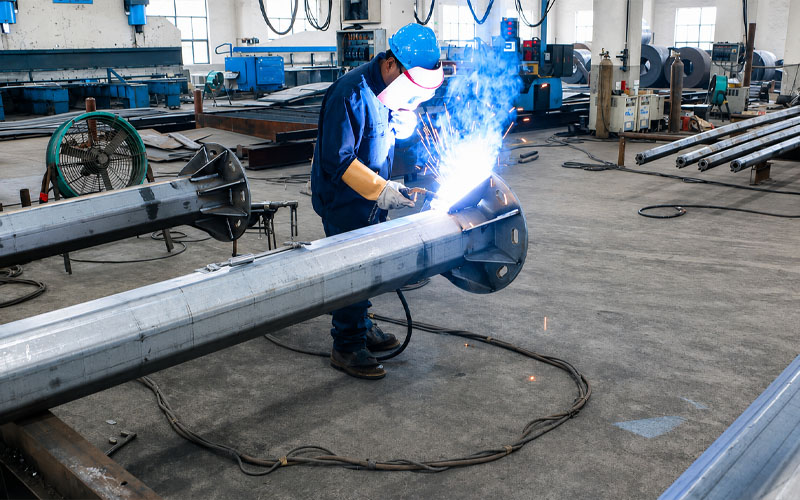
The manufacturing process normally starts with steel plate.
First, the steel plate is cut according to the required size.
Next, bending equipment forms the plate into a polygonal shape.
After that, workers weld the longitudinal seam to create the pole body.
Depending on the design, the factory can then add base plates, brackets, holes or other mounting parts.
Finally, the pole can receive hot-dip galvanizing or another required surface treatment.
Quality inspection is also important during production.
The manufacturer should check dimensions, welding quality, straightness and surface finish before packing.
Why Choose Hbcrownwealth for Steel Pole Projects?
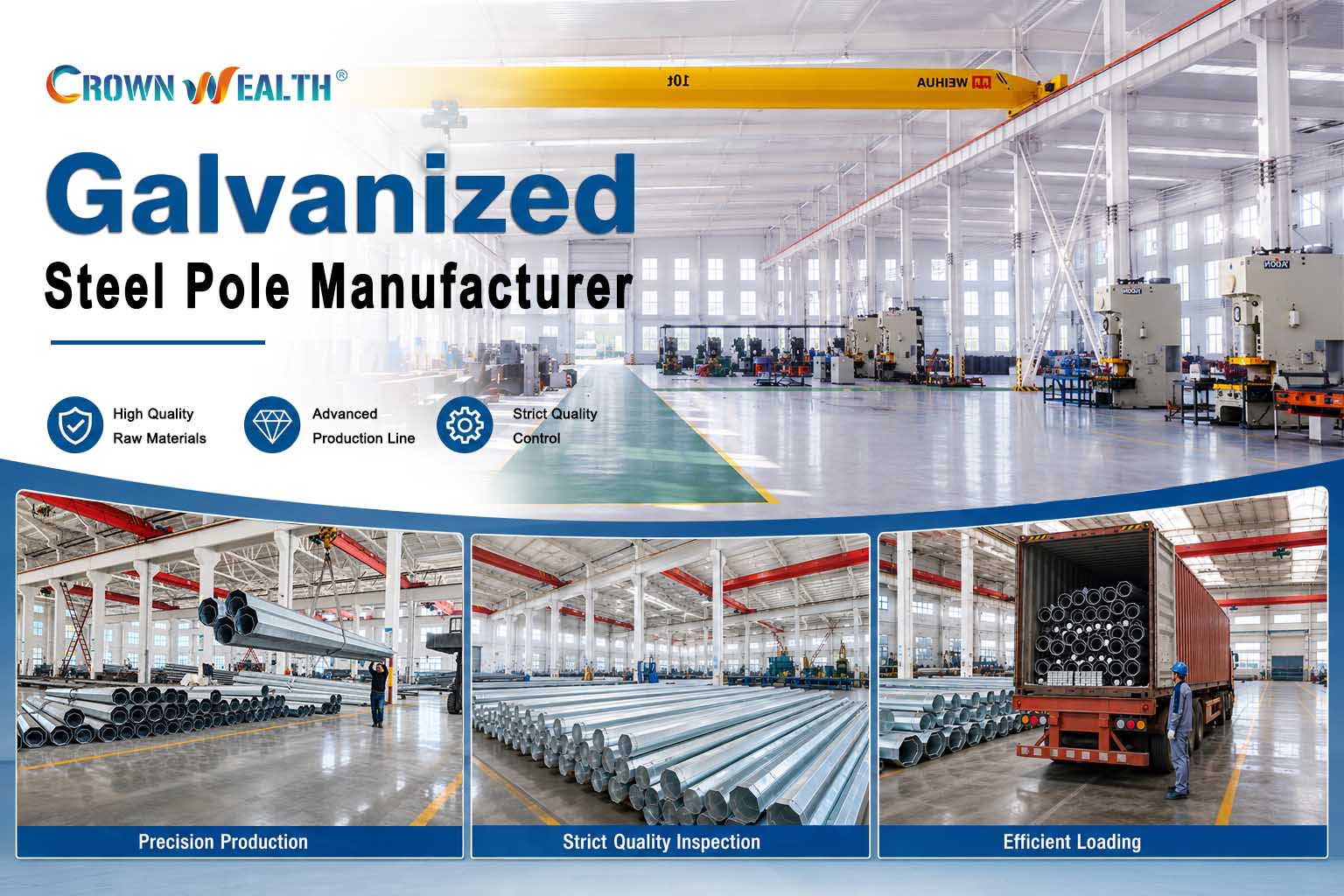
When you purchase poles for a power or infrastructure project, you often need more than a standard product.
You may need a factory that can understand your drawings, customize the structure and also supply matching pole line hardware.
Hbcrownwealth manufactures steel poles and power line hardware for overseas projects.
You can provide your drawings, dimensions or technical requirements, and our team can help you review the manufacturing details before production.
We have production capabilities including steel cutting, punching, bending, welding and hot-dip galvanizing.
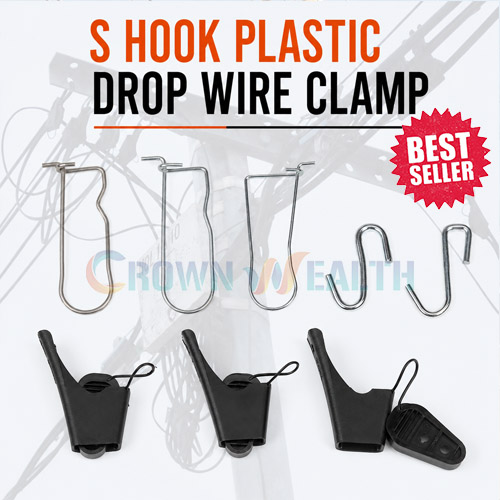
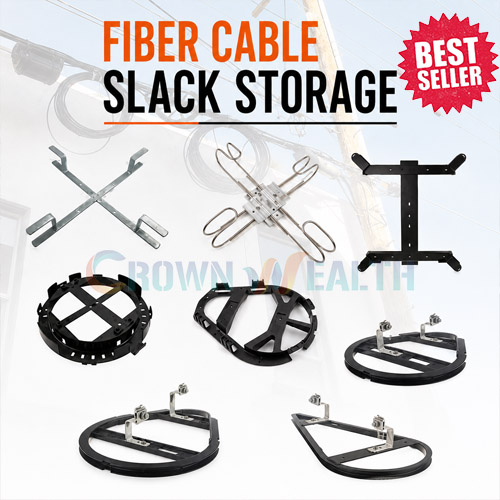
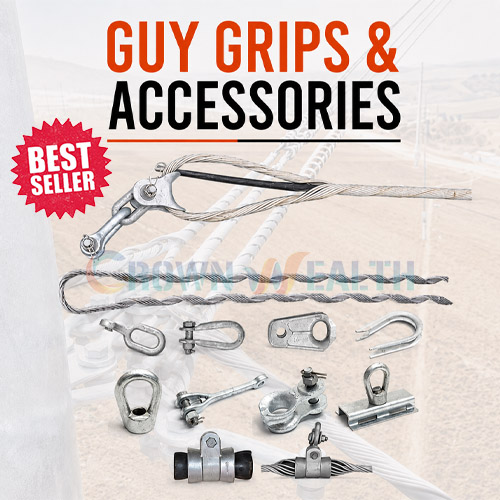
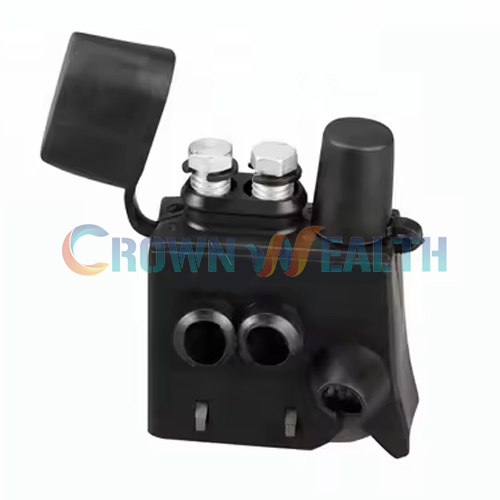
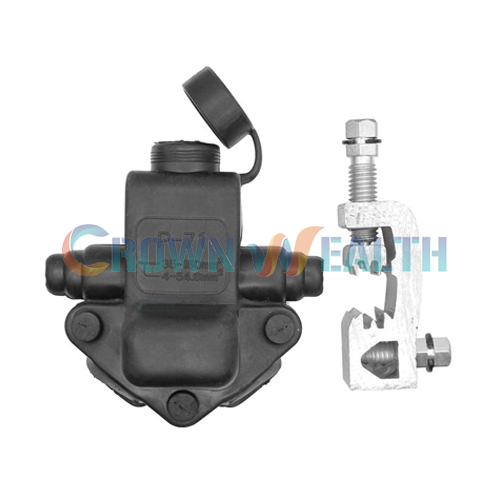
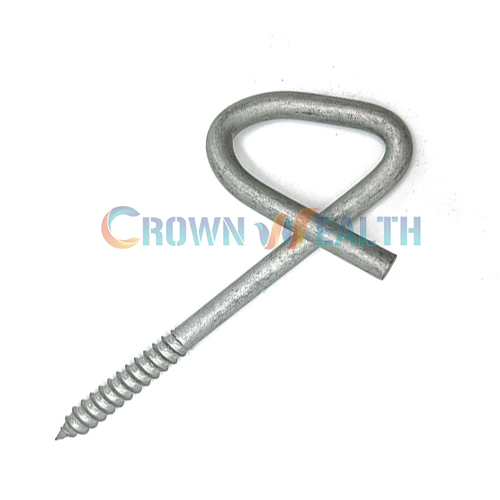
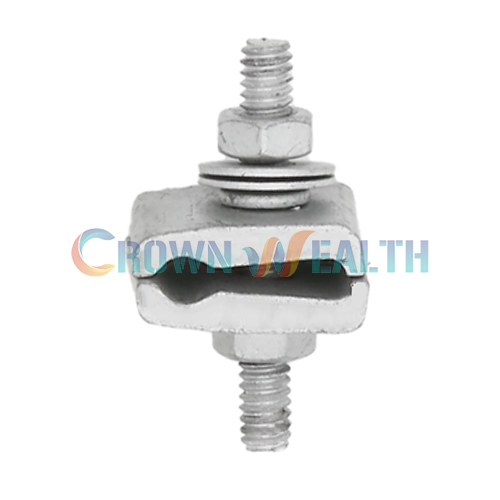
At the same time, you can also source related pole line hardware from us.
This can make your purchasing process easier, especially when you are sourcing products for a complete power distribution or telecommunications project.
Frequently Asked Questions
What is a polygonal steel pole?
A polygonal steel pole is a multi-sided steel pole made by bending and welding steel plate. Common designs include octagonal, 12-sided and 16-sided poles.
What is an octagonal steel pole?
An octagonal steel pole has eight sides. It is a common type of polygonal pole used in power distribution, lighting and infrastructure projects.
Can you customize a polygonal steel pole?
Yes. You can customize the height, wall thickness, diameter, pole sections, base plate, mounting holes and other details according to your project drawing.
Why do you use hot-dip galvanizing?
Hot-dip galvanizing adds a zinc coating to the steel surface. This helps improve corrosion resistance for long-term outdoor use.
What information should you provide before requesting a quotation?
You should provide the pole height, dimensions, wall thickness, application, quantity, load requirements, surface treatment and project drawings when available.
Choose the Right Polygonal Steel Pole for Your Project

A polygonal steel pole can give you a strong, durable and flexible solution for power transmission and distribution projects.
However, the right pole depends on your actual engineering requirements.
Therefore, before you order, you should check the pole dimensions, load requirements, wind conditions, surface treatment and installation method.
If you need a galvanized steel utility pole, octagonal steel pole or customized power pole, you can send Hbcrownwealth your drawings or project specifications.
We can review your requirements and help you select a suitable manufacturing solution for your project.