English
 Spanish
 French
 Arabic
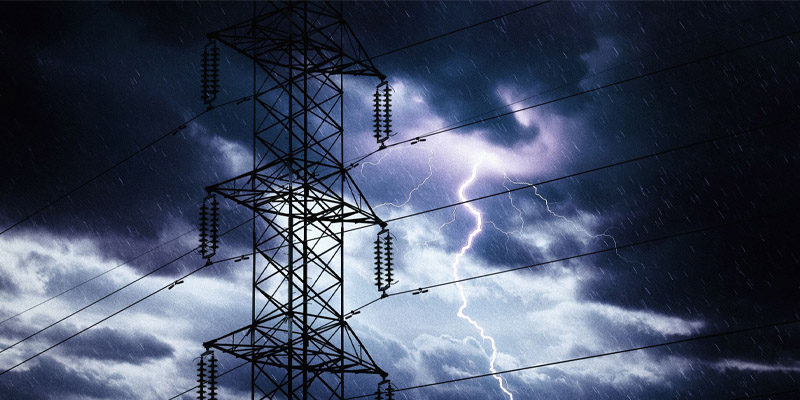
Overhead power line safety requires extra attention during the rainy season. Heavy rain, strong winds, lightning, wet vegetation, flooding, and soil erosion can damage conductors, insulators, poles, guy systems, and service-drop hardware. These conditions also make access and emergency response more difficult.
If you manage a utility network, industrial site, telecom route, or construction project near overhead lines, use a documented wet-weather plan. Only qualified and authorized personnel should inspect, test, repair, or work near energized electrical equipment. Always follow the network owner’s rules, local regulations, and the clearance required for the line voltage and equipment involved.
Why Rainy-Season Overhead Line Safety Matters
Rain alone is not the only hazard. Wet contamination on insulators can contribute to leakage current and flashover, while wind can move conductors, trees, cranes, scaffolds, and other objects closer together. Saturated soil may weaken pole foundations or anchors. Flooding can also hide damaged equipment and create unsafe access conditions.
A good rainy-season program combines preventive inspection, vegetation management, structural checks, suitable line hardware, worker controls, and a clear emergency procedure.
8 Precautions for Overhead Power Lines During the Rainy Season
1. Maintain the Required Clearance from Energized Lines
Keep people, vehicles, cranes, ladders, scaffolds, tools, and materials outside the minimum approach distance. The required clearance depends on the line voltage, local regulations, work activity, and whether the worker is qualified. Do not use one distance for every overhead line.
- Before work: identify every overhead line, confirm its voltage with the network owner, and mark the restricted area.
- During work: use a trained spotter, physical barriers, or other controls when equipment could approach the line.
- When unsure: stop work and contact the utility or site electrical authority.
Wet ropes, ladders, tools, tree branches, and equipment should never be treated as safe insulation.
2. Complete Vegetation Management Before Severe Weather
Rain and wind add load to branches and can push vegetation into conductors. Inspect line corridors before the wet season and remove hazards according to the utility’s vegetation-management plan.
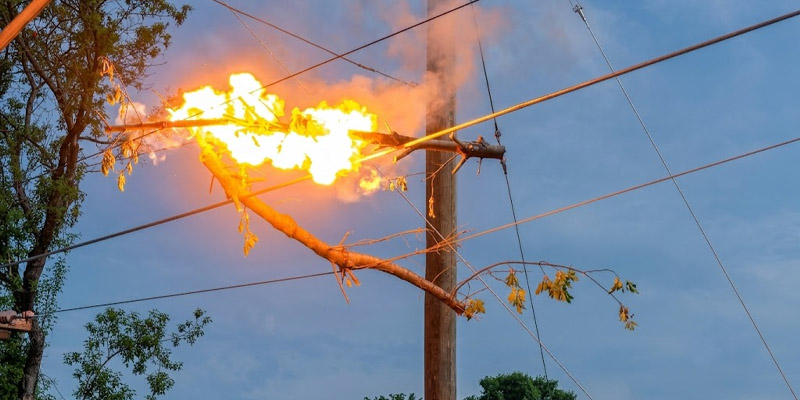
- Look for dead, cracked, leaning, or overhanging branches.
- Check fast-growing vegetation near service drops and pole-top equipment.
- Use qualified line-clearance professionals for work near energized lines.
- Never allow untrained workers or property owners to cut branches close to conductors.
3. Inspect Insulators, Connections, and Weatherproof Enclosures
Damaged or contaminated insulation can become more vulnerable in wet conditions. Qualified personnel should inspect porcelain, glass, and composite insulators for cracks, chips, pollution buildup, tracking, loose fittings, or abnormal discharge marks.
- Check conductor connections and terminals for overheating, corrosion, or looseness.
- Inspect weatherheads, junction boxes, conduit entries, and cable risers for water ingress.
- Replace damaged components with products approved for the system.
- Use the correct cleaning and maintenance procedure for the line voltage and insulator type.
4. Verify Grounding, Bonding, Poles, and Soil Stability
Flooding and saturated soil can erode pole foundations, expose anchors, or change access conditions. After heavy rain, inspect from a safe location before allowing crews or equipment into the area.
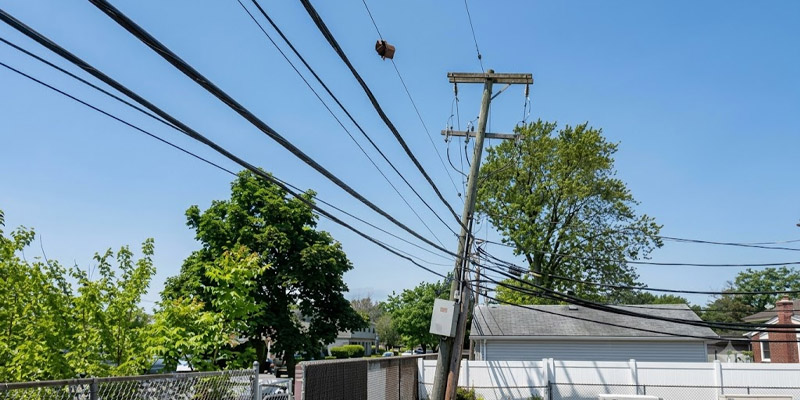
- Look for leaning poles, cracked concrete, washed-out soil, exposed foundations, and displaced anchors.
- Check guy wires and anchor assemblies for looseness, corrosion, or damage.
- Have qualified personnel test grounding and bonding according to the maintenance plan.
- Do not approach structures if the ground may be energized or the pole could collapse.
5. Suspend Non-Essential Work During Heavy Rain or Thunderstorms
Postpone routine inspection, climbing, lifting, and live-line work when weather conditions exceed the organization’s operating limits. Lightning, reduced visibility, slippery access, unstable soil, and wind-driven equipment can turn normal work into a serious hazard.
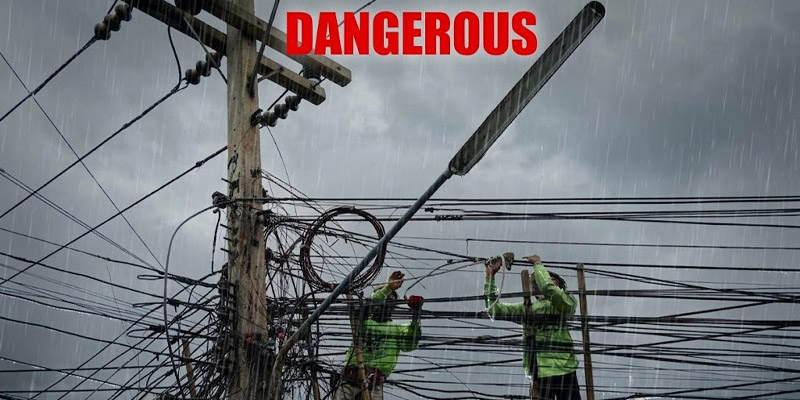
- Monitor weather alerts and define clear stop-work criteria.
- Secure work areas, tools, and lifting equipment before the storm arrives.
- Resume work only after the responsible person confirms safe conditions.
- Emergency restoration should be handled by trained crews using approved procedures and tested equipment.
6. Inspect Aerial Hardware and Structural Attachments
Clamps, brackets, guy systems, pole bands, bolts, and dead-end fittings help the line resist mechanical loads. Loose, corroded, incorrectly sized, or poorly installed components can allow excess movement and sag during wind and rain.
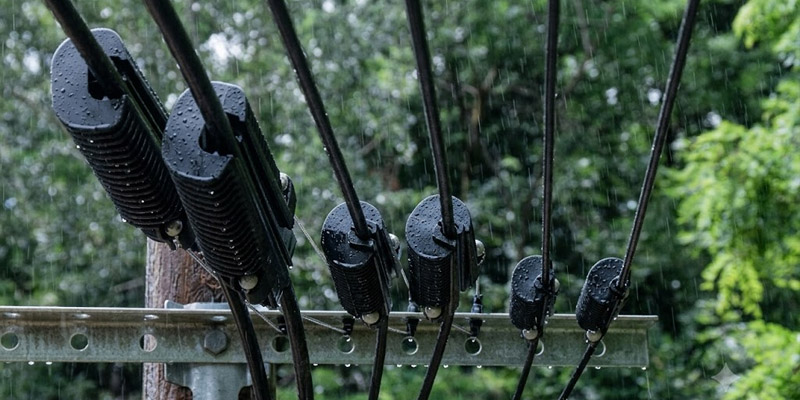
- Confirm that hardware matches the conductor or cable type, diameter, rated load, and support structure.
- Check fasteners, pole bands, anchor clamps, suspension clamps, and ADSS guy grips for movement, deformation, or corrosion.
- Verify installation torque, seating, and tension according to the approved design.
- Use a suitable material and protective finish for the local corrosion environment.
When replacing components, source compatible pole line hardware rather than selecting fittings by appearance alone.
7. Keep Drainage and Access Routes Clear
Standing water can accelerate timber deterioration, wash soil away from foundations, and prevent safe access for inspection vehicles. Include drainage in the line-corridor maintenance plan.
- Clear blocked ditches, culverts, and approved drainage paths.
- Direct runoff away from pole bases, anchors, cabinets, and risers where permitted.
- Do not excavate near poles, anchors, or underground services without authorization.
- Maintain an access route for emergency crews while protecting soft or unstable ground.
8. Treat Every Downed or Sagging Line as Energized
A fallen conductor can energize nearby objects and the surrounding ground. Keep people and vehicles away, establish a safe perimeter, and contact the electric utility and emergency services immediately.
- Do not touch the line, pole, vehicle, fence, tree, puddle, or debris that may be in contact with it.
- Do not drive over a fallen conductor.
- If a line falls on a vehicle, occupants should normally remain inside and follow emergency-service instructions.
- Use the exclusion distance required by the utility or local emergency authority; increase it if conditions are uncertain.
Rainy-Season Inspection Checklist
Before the Rainy Season
- Review line routes, voltage information, clearances, and emergency contacts.
- Complete vegetation management and remove known hazards.
- Inspect insulators, poles, guys, anchors, clamps, and weatherproof enclosures.
- Clean drainage routes and check access for response vehicles.
- Stock approved replacement hardware and verify crew training.
After Heavy Rain or Strong Wind
- Survey the route from a safe distance before close inspection.
- Check for downed conductors, abnormal sag, leaning poles, erosion, and damaged trees.
- Document defects with the location, structure number, photographs, and priority.
- Isolate unsafe areas and assign repairs only to authorized personnel.
Choosing Overhead Line Hardware for Wet Environments
Rainy-season performance depends on correct engineering as well as corrosion resistance. When specifying clamps, brackets, pole bands, or guy hardware, confirm:
- Cable or conductor type and outside diameter
- Required mechanical load and safety factor
- Pole material and attachment method
- Galvanizing, stainless steel grade, or other corrosion requirement
- Temperature, UV, salt, pollution, wind, and ice exposure
- Applicable drawings, standards, inspection, and testing requirements
- Packaging, traceability, and replacement-part availability
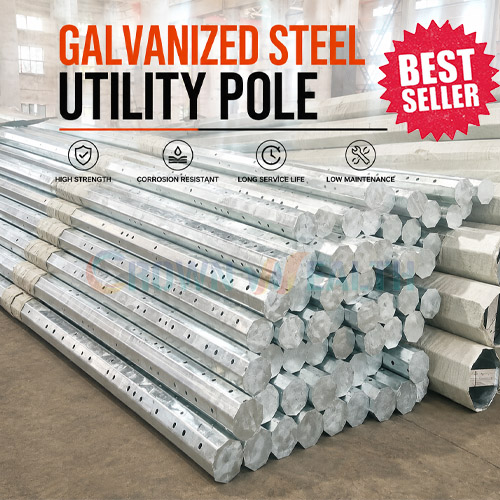
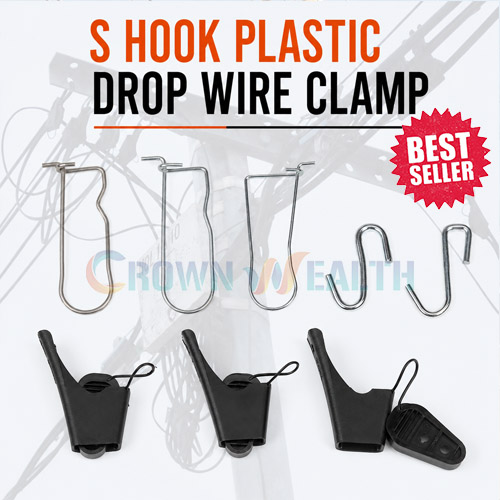
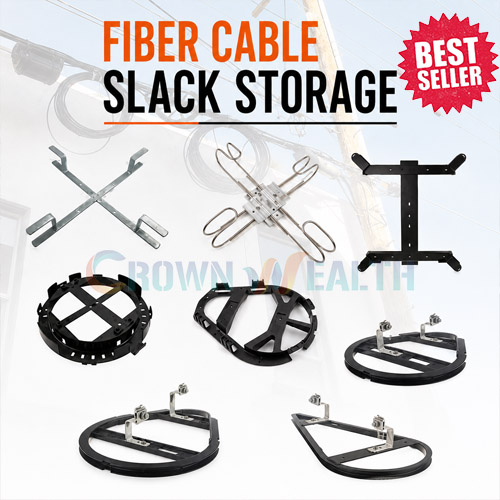
Hbcrownwealth supplies overhead-line and aerial-fiber components for distributors, utilities, and contractors. Product options include clamps, preformed fittings, pole bands, cable attachments, and galvanized steel utility poles. Send your cable data, drawings, loading requirements, installation environment, and order quantity through our contact page for a project-specific recommendation.
Frequently Asked Questions
Can overhead line work continue in light rain?
It depends on the voltage, task, equipment rating, worker qualification, and the organization’s approved procedure. If weather affects visibility, footing, insulation, equipment control, or approach distance, stop the work and obtain authorization before resuming.
Do rubber boots or vehicle tires make a person safe near a power line?
No. Never rely on ordinary footwear or tires as electrical protection. Keep the required distance and follow utility or emergency-service instructions.
How often should overhead lines be inspected during the rainy season?
Use a risk-based schedule that meets the network owner’s maintenance program and local requirements. Additional inspections are commonly needed after severe wind, flooding, lightning, vegetation contact, or reports of abnormal line behavior.
Which material is best for rainy-season line hardware?
The correct choice depends on mechanical load, corrosion exposure, compatibility with other metals, and the project specification. Hot-dip galvanized steel, aluminum alloy, and stainless steel are used in different applications; no single material is best for every line.