English
 Spanish
 French
 Arabic
When you build an overhead power or telecommunication network near the coast, you need to consider more than mechanical strength. Salt, humidity, rain, temperature changes, and long-term outdoor exposure can accelerate corrosion and reduce the service life of metal components.
Therefore, choosing the right pole line hardwarefor coastal areas is an important part of building a reliable overhead line system.
You need to consider the material, surface treatment, mechanical strength, installation method, and actual environment before placing an order. In particular, hot-dip galvanized steel, stainless steel, and aluminum components can provide different advantages depending on your application.
This guide explains how you can select suitable pole line hardware for coastal, humid, and other high-corrosion environments.
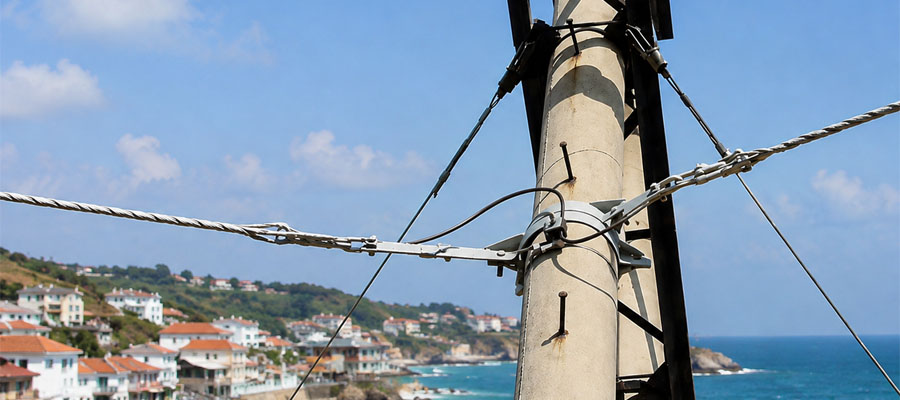
Why Does Corrosion Matter for Pole Line Hardware?
Pole line hardware works outdoors for many years. During this time, components can face rain, moisture, dust, UV exposure, wind, and changing temperatures.
Coastal environments create an additional challenge: airborne salt.
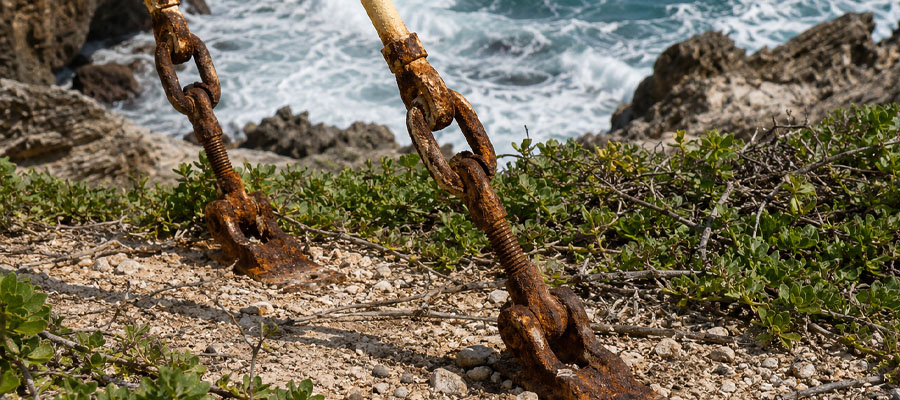
Salt deposits can remain on exposed metal surfaces. When moisture is present, the environment can accelerate corrosion. As a result, poorly protected hardware may deteriorate faster than expected.
Corrosion can affect:
- Pole bands
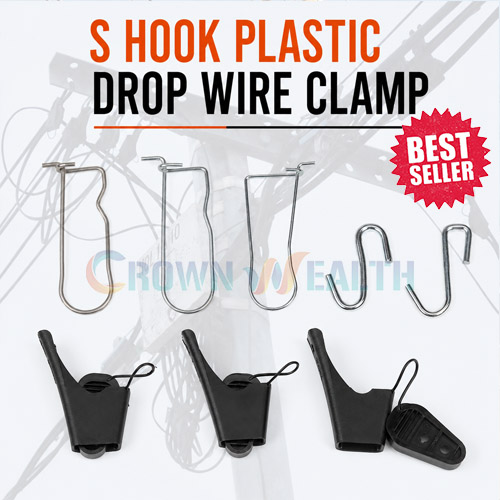
- Drop wire clamps
- Bolts and nuts
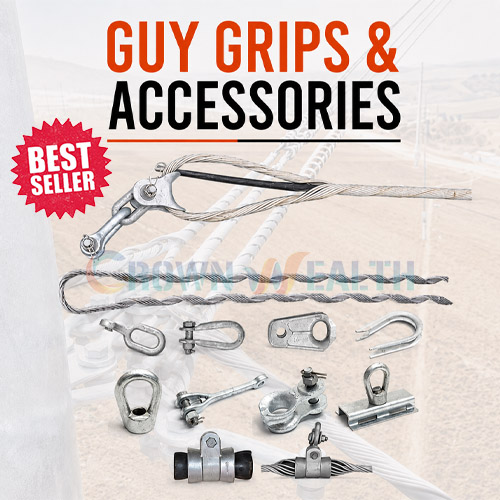
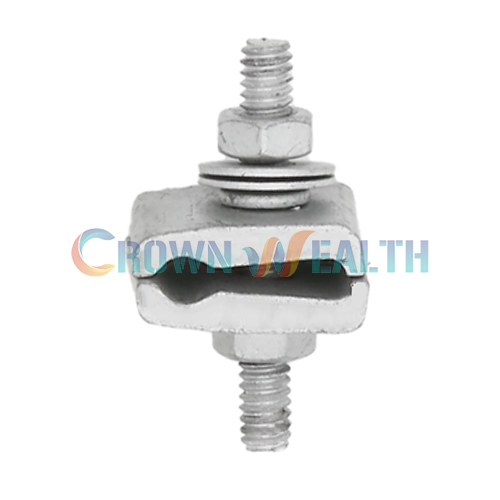
- Guy clamps
- Guy Grips
- Guy wire attachments
- Cross arms
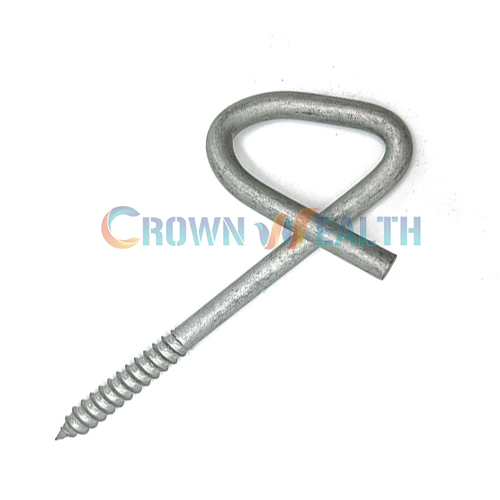
- House hooks
- Banding systems
Therefore, corrosion resistance should be considered together with tensile strength and structural design when you select outdoor pole hardware.
What Causes Pole Line Hardware to Corrode?
Several environmental factors can influence corrosion.
Salt Exposure
If your project is located close to the sea, airborne chloride deposits can reach poles and metal hardware.
The amount of exposure varies according to the distance from the coastline, wind direction, local weather, and the location of the hardware.
For this reason, hardware used directly along a coastline may require a different corrosion-protection strategy from hardware used far inland.
High Humidity
High humidity keeps metal surfaces wet for longer periods.
When you combine moisture with salt, industrial pollutants, or surface contamination, corrosion can develop more quickly.
Therefore, tropical and subtropical regions may also require additional attention even when the installation is not directly beside the sea.
Rain and Outdoor Exposure
Rain can wash contaminants away, but repeated wet and dry cycles can also affect exposed metal components.
Pole line hardware normally remains outdoors throughout its service life. Therefore, you should select a material and surface treatment designed for long-term outdoor use.
Industrial Environments
Coastal conditions are not the only concern.
Industrial pollutants and corrosive chemicals can also create demanding environments. If your project is close to industrial facilities, you should evaluate the actual exposure conditions before selecting your hardware.
Hot-Dip Galvanized Steel for Pole Line Hardware
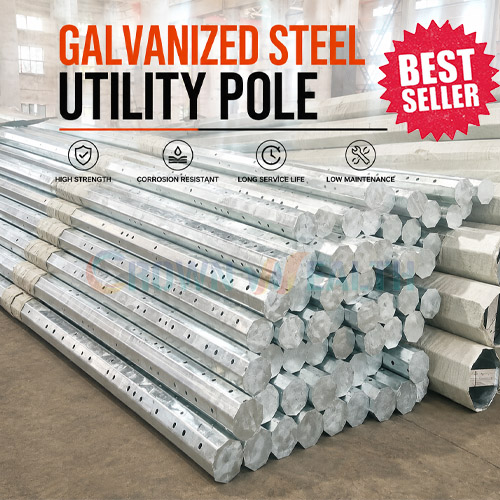
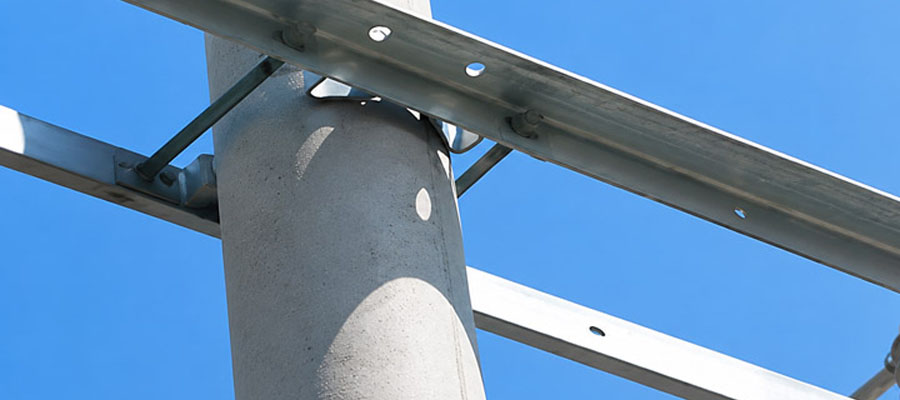
Hot-dip galvanized steel is widely used for overhead line hardware because it combines mechanical strength with practical corrosion protection.
During hot-dip galvanizing, a zinc coating is formed on the steel surface. This coating protects the underlying steel from the surrounding environment.
For many utility and telecommunication projects, this provides a practical balance between:
- Strength
- Corrosion resistance
- Service life
- Availability
- Project cost
As a result, you will find hot-dip galvanized steel used in many pole line components, including pole bands, bolts, brackets, guy hardware, stay rods, hooks, and other structural fittings.
However, you should not evaluate a galvanized product simply by asking whether it is “galvanized.”
You should also check the required specification, coating quality, exposed surfaces, product design, and application environment.
Stainless Steel for High-Corrosion Environments
Stainless steel is another important option when corrosion resistance is a major requirement.
It is particularly useful for components such as:
- Stainless steel banding
- Buckles
- Cable ties
- Mounting hardware
- Selected brackets
- Fastening systems
Different stainless steel grades provide different levels of corrosion resistance.
For example, buyers commonly specify grades such as 201, 304, or 316 depending on their application and budget.
If your project faces severe marine exposure, you should evaluate whether a higher corrosion-resistant stainless steel grade is required rather than choosing material based only on price.
This is especially important for fastening components because they may remain continuously exposed after installation.
Aluminum Alloy Pole Line Hardware
Aluminum alloy can also be a useful material for selected overhead line components.
You can find aluminum used in cable anchor brackets, suspension components, and other fittings where low weight and corrosion resistance provide an advantage.
In addition, aluminum can help reduce component weight while maintaining suitable mechanical performance when the product is correctly designed.
However, material selection should always depend on the complete assembly.
You need to consider how aluminum, galvanized steel, stainless steel, and other metals interact when they are installed together, especially in wet or corrosive environments.
Hot-Dip Galvanized vs Stainless Steel: Which Should You Choose?
There is no single material that is best for every pole line project.
Instead, you should select the material according to the application.
Choose Hot-Dip Galvanized Steel When:
You need high mechanical strength for structural hardware such as pole bands, bolts, guy attachments, stay rods, and steel brackets.
It is also a practical option when you need a balance between durability, corrosion protection, and project cost.
Choose Stainless Steel When:
You need excellent corrosion resistance for exposed fastening systems, especially in humid, coastal, or chemically demanding environments.
Stainless steel banding and buckles are good examples.
Consider Aluminum When:
You need a lightweight and corrosion-resistant component designed specifically for an overhead cable application.
Rather than asking, “Which material is best?”, ask:
Which material is most suitable for this component, load, installation method, and environment?
That question will lead to a better purchasing decision.
How to Select Pole Line Hardware for Coastal Areas
When you purchase pole line hardware for coastal areas, use a systematic selection process.
Step 1: Identify the Environment
First, determine where you will install the hardware.
Ask:
Is the project directly beside the coast?
Is the environment humid?
Is the area exposed to salt spray?
Is it close to an industrial zone?
Will the hardware experience frequent rain?
The more demanding the environment, the more carefully you should evaluate material and corrosion protection.
Step 2: Determine the Required Load
Corrosion resistance alone does not make a product suitable.
You also need adequate mechanical performance.
Therefore, identify the required working load, tensile requirements, cable tension, pole type, and installation configuration.
Then select hardware designed for those conditions.
Step 3: Choose the Material
Next, compare galvanized steel, stainless steel, aluminum, or other specified materials.
Do not select a material only because it costs less.
Instead, consider the expected environment, required service life, maintenance requirements, and total project cost.
Step 4: Check the Surface Treatment
For galvanized steel hardware, confirm the required galvanizing specification with your supplier.
You should also inspect coating uniformity and overall surface quality.
Edges, threads, welds, holes, and complex geometries deserve particular attention because they form part of the complete corrosion-protection system.
Step 5: Check Product Compatibility
Pole line hardware rarely works alone.
A bracket may connect with a bolt, stainless steel band, clamp, cable, hook, or other fitting.
Therefore, check the complete assembly before ordering.
Make sure:
- Dimensions match
- Hole sizes match
- Fasteners fit
- Banding widths are compatible
- Cable diameters are correct
- Required loads are supported
This helps you reduce installation problems on site.
Step 6: Request Testing and Technical Information
For large projects, ask your supplier about available testing and quality-control information.
Depending on the product and project requirements, this may include:
- Dimensional inspection
- Tensile testing
- Mechanical load testing
- Material verification
- Coating inspection
- Corrosion-related testing
- Packaging inspection
The required tests should follow your project specification and applicable standards.
How to Check Galvanized Pole Line Hardware Before Purchasing
You do not need to evaluate galvanized hardware based only on appearance.
Instead, review both documentation and physical quality.
First, confirm the base material and required surface-treatment standard.
Next, check whether the zinc coating covers the relevant surfaces consistently.
Then inspect the product for obvious defects that could affect installation or performance.
You should also check dimensions, threads, welds, holes, and assembly points.
Finally, confirm the mechanical requirements.
For critical projects, testing requirements should be agreed upon before mass production rather than after the order is completed.
Common Purchasing Mistakes to Avoid
One common mistake is choosing pole line hardware based only on unit price.
A lower purchase price may not reduce your total project cost if the hardware requires early replacement or causes installation problems.
Another mistake is using the same material specification for every environment.
A dry inland project and a highly corrosive coastal project may require different solutions.
You should also avoid purchasing individual components without checking compatibility.
For example, a bracket, bolt, stainless steel band, buckle, and cable clamp need to work together as a complete system.
Finally, provide your supplier with enough technical information.
Drawings, dimensions, material requirements, load requirements, installation photographs, and project specifications can help your supplier recommend or manufacture a more suitable product.
Why Choose Hbcrownwealth for Pole Line Hardware?
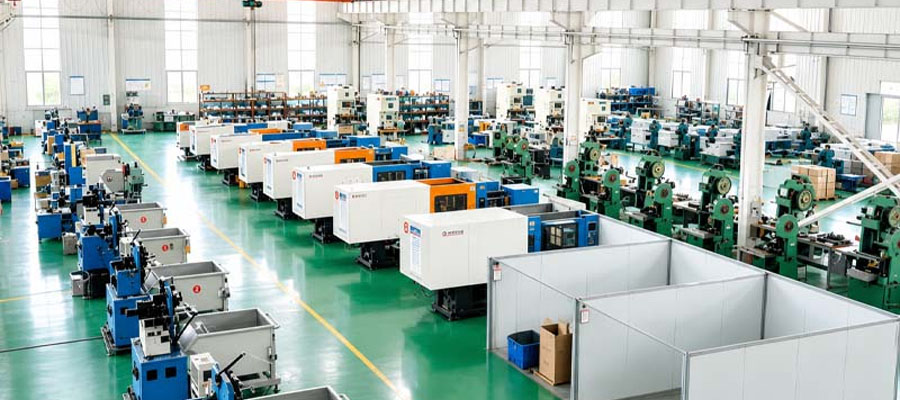
When you source pole line hardware for outdoor power or telecommunication projects, you need more than individual products. You need components that work together.
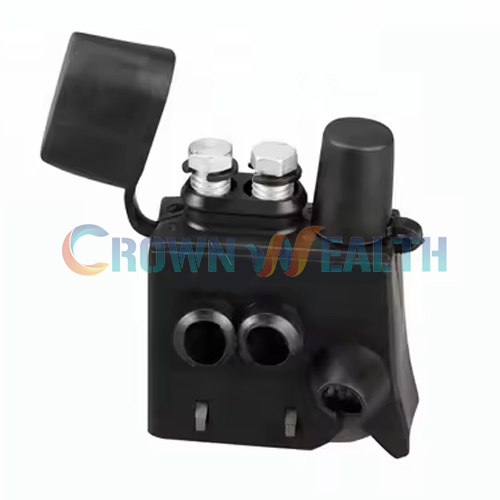
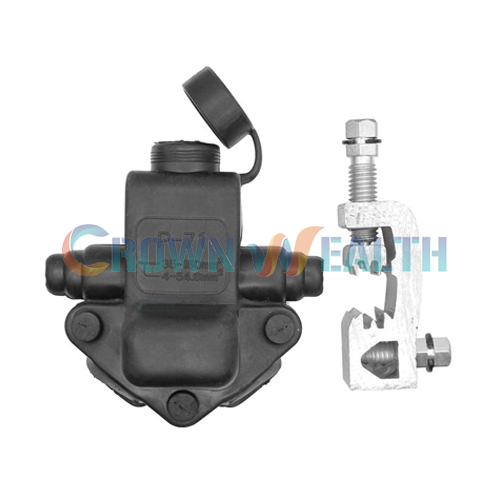
Hbcrownwealth manufactures and supplies a wide range of pole line and overhead cable hardware, including:
- Pole bands
- Pole line bolts
- Guy clamps
- Guy grips
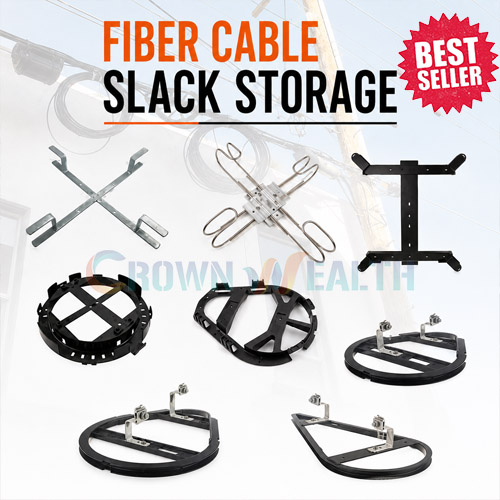
- Cable attachment hardware
- ADSS and OPGW accessories
- Stainless steel banding systems
- Aerial drop hardware
You can select galvanized steel, stainless steel, aluminum, and other materials according to the specific product and project requirements.
In addition, OEM and ODM services allow you to customize dimensions, materials, surface treatments, packaging, and selected product structures according to your drawings or technical requirements.
For distributors, utility contractors, telecom companies, and project buyers, sourcing compatible products from one supplier can also simplify procurement and improve supply-chain efficiency.
FAQ
Q1. What is the best pole line hardware for coastal areas?
The best option depends on the component, required mechanical load, corrosion exposure, and project specification. Hot-dip galvanized steel, stainless steel, and aluminum are commonly used for different types of overhead line hardware.
Q2. Is hot-dip galvanized steel suitable for coastal environments?
Hot-dip galvanized steel is widely used for outdoor pole line hardware because its zinc coating provides corrosion protection. However, the required coating specification and suitability should be evaluated according to the actual coastal exposure and project requirements.
Q3. Is stainless steel better than galvanized steel for pole hardware?
Not always. Stainless steel can provide excellent corrosion resistance, while galvanized carbon steel is widely used when high structural strength and cost efficiency are important. You should select the material according to the component and operating environment.
Q4. Which stainless steel grade is suitable for coastal environments?
The appropriate grade depends on the severity of the environment and your project specification. Grades such as 304 and 316 are commonly considered for corrosion-resistant applications, while more demanding marine environments may require higher corrosion resistance.
Q5. What information should I send when requesting a quotation?
You should provide the product name, drawings or photos, dimensions, material, surface treatment, required quantity, mechanical requirements, applicable standards, packaging requirements, and destination. The more information you provide, the easier it is to prepare an accurate quotation.
Choose the Right Pole Line Hardware for Your Project
Coastal and high-corrosion environments require careful hardware selection.
Instead of focusing only on price, you should evaluate the material, surface treatment, mechanical strength, installation method, component compatibility, and actual environmental conditions.
Hot-dip galvanized steel remains a practical solution for many structural pole line components. Meanwhile, stainless steel can provide additional corrosion resistance for banding and fastening applications, while aluminum offers advantages for selected overhead cable fittings.
By matching each component to the real operating environment, you can build a more reliable overhead line system and reduce long-term maintenance requirements.
If you are sourcing pole line hardware for coastal areas, send Hbcrownwealth your drawings, specifications, quantities, and application requirements. We can help you select or customize suitable pole line hardware for your power, telecom, FTTH, ADSS, or OPGW project.